Skin Cancer Removal
Surgical removal of basal cell, squamous cell, and other skin cancers by a double board-certified dermatologist and Mohs surgeon in Leland, NC.
About Skin Cancer Removal
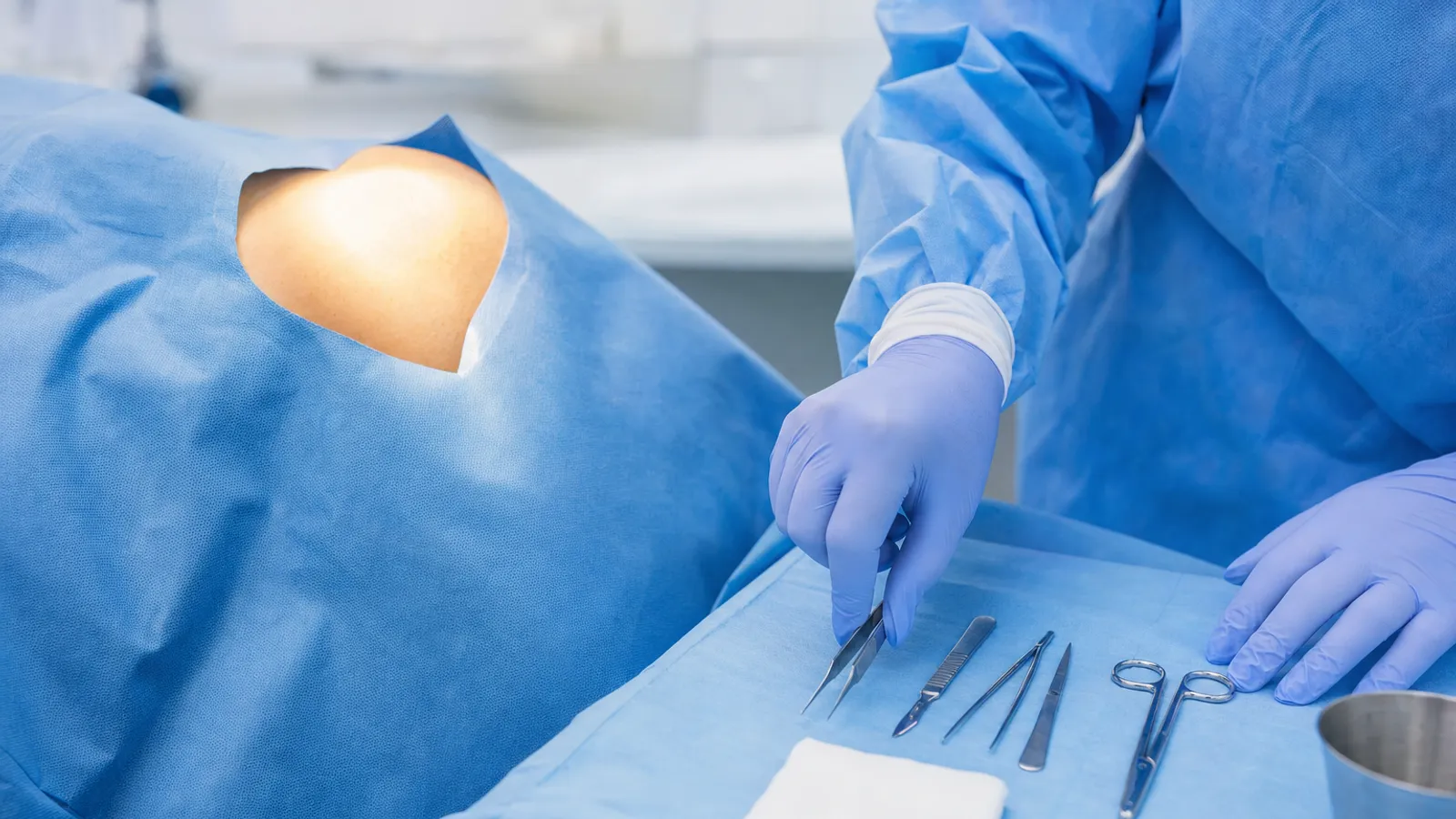
When a biopsy confirms skin cancer, the goal is complete removal with the best possible cosmetic and functional result. Dr. Blair Harris — a double board-certified dermatologist and Mohs surgeon — performs skin cancer removal here in our Leland office, selecting the technique to fit the tumor: electrodessication and curettage for certain superficial cancers, standard surgical excision, or Mohs micrographic surgery for high-risk or cosmetically sensitive sites. Having diagnosis, surgery, and follow-up under one roof means fewer handoffs and faster treatment.
Treatment Options
Treatment options for skin cancer removal depend on the type, size, and location of the cancer. Dr. Harris offers multiple approaches to ensure the best outcome for each patient.
ED&C (Electrodessication and Curettage)
A procedure commonly used to treat certain skin lesions, such as benign tumors, precancerous lesions, and superficial skin cancers.
Types of ED&C (Electrodessication and Curettage)
Curettage
Scraping or scooping out tissue from the affected area using a curette, a spoon-shaped surgical instrument
Electrodessication
Use of an electrocautery device with high-frequency electrical currents to coagulate and destroy remaining tissue and control bleeding
Procedure Steps
The process involves removing visible tissue with a curette, then using electrodessication to destroy remaining abnormal cells and control bleeding
Surgical Excision
The surgical removal of a portion of the skin containing cancerous tissue.
Types of Surgical Excision
Wide Local Excision
Removal of the tumor along with a surrounding margin of healthy skin
Mohs Micrographic Surgery
Layer-by-layer removal of skin cancer with immediate microscopic examination
Preoperative Evaluation
Thorough examination including medical history review, imaging studies, and biopsy to determine the nature of the lesion
Anesthesia Options
Local anesthesia for smaller procedures or general anesthesia for larger, more complex cases
Ready to get started?
Schedule a consultation with our board-certified dermatologist.
Pre & Post Care
Pre-Treatment
- Discuss your medical history and current medications
- Avoid blood thinners if advised by your doctor
- Arrange for someone to drive you home after the procedure
- Follow preoperative fasting instructions if general anesthesia is required
Post-Treatment
- Keep the wound clean and covered as directed
- Apply prescribed ointments or dressings
- Avoid sun exposure to the surgical site
- Follow specific wound care instructions to promote proper healing
- Take prescribed medications for pain management and infection prevention
Expected Results
Onset
Immediate removal of cancerous tissue
Duration
Healing typically takes 2-4 weeks depending on procedure type
Maintenance
Regular follow-up visits and skin cancer screenings, typically every 3-6 months initially
Ongoing Care
After removal, we confirm clear margins, guide you through straightforward wound care, and schedule skin checks going forward — because a history of one skin cancer raises the risk of another. Most patients return to normal activity quickly, with any restrictions depending on the size and location of the repair.
Questions about Skin Cancer Removal?
We're happy to help you decide the best next step.
Related Services
Skin Biopsy
Learn more about this service
Learn moreMohs Surgery
Learn more about this service
Learn moreScar Revision
Learn more about this service
Learn moreMole Removal
Learn more about this service
Learn morePsoriasis
Learn more about this service
Learn moreAtopic Dermatitis (Eczema)
Learn more about this service
Learn moreYour Physician
About Blair Harris, DO, FAAD
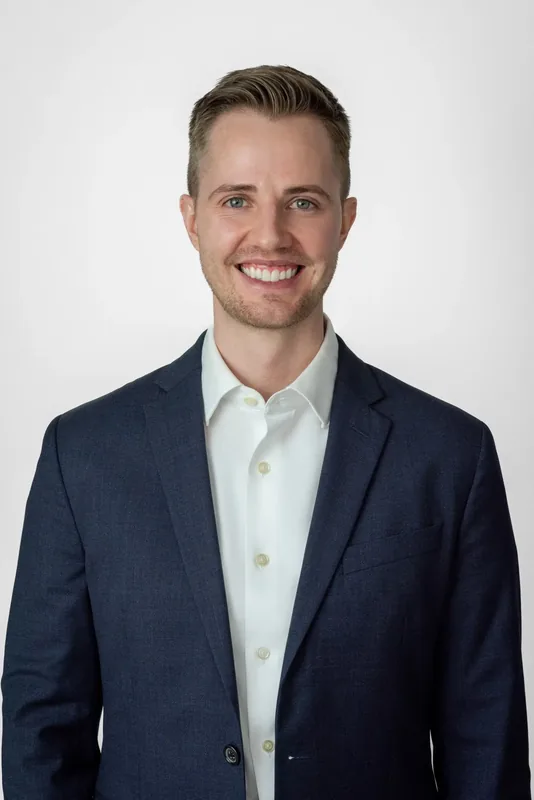
Blair Harris, DO, FAAD
Double Board-Certified Dermatologist and Mohs Surgeon
Dr. Harris brings extensive expertise in both general and surgical dermatology, providing comprehensive skin care for patients in the Leland area. With double board certification and specialized training in Mohs surgery, he delivers the highest standard of care for skin cancer treatment and complex dermatological conditions.