Rashes
New or persistent rash? We diagnose and treat contact dermatitis, hives, fungal infections, and other rashes for patients in Leland and Brunswick County.
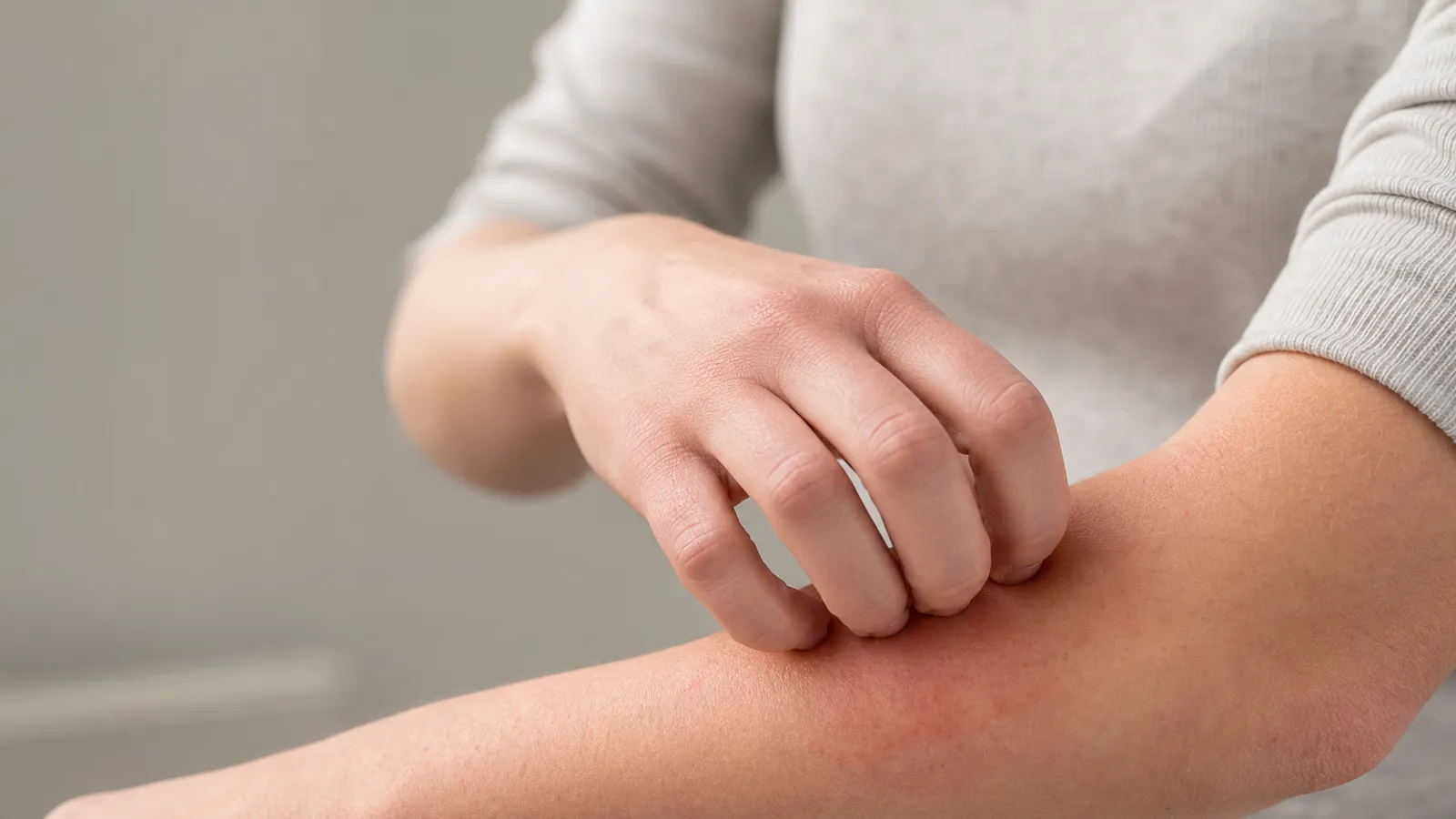
About Rashes
"Rash" covers an enormous range of conditions — allergic reactions, irritant exposures, infections, hives, and flares of chronic diseases like eczema and psoriasis can all look deceptively similar. Getting the diagnosis right is most of the battle, because treatment for one cause can worsen another. Dr. Blair Harris and our physician assistants combine a careful history (new products, medications, exposures, timing) with a thorough examination and, when needed, a biopsy to pinpoint what is actually going on.
What Causes Rashes?
Rashes can be caused by a wide range of factors, including allergic reactions to foods, medications, or skincare products, infections such as fungal or bacterial, skin conditions like eczema or psoriasis, environmental triggers like heat or chemicals, and systemic conditions like autoimmune diseases.
Types of Rashes
Contact Dermatitis
An allergic reaction or irritation caused by contact with a substance like poison ivy, nickel, or fragrances.
Eczema
A chronic inflammatory skin condition characterized by dry, itchy, and inflamed skin.
Psoriasis
An autoimmune skin condition that leads to the rapid growth of skin cells, resulting in thick, scaly patches.
Hives
Raised, red welts on the skin that are often triggered by allergic reactions or stress.
Treatment Options
Treatment options for skin rashes depend on the underlying cause, severity, and type of rash. A comprehensive treatment plan may include various approaches to manage symptoms and address the root cause. Common treatment approaches include:
Topical Treatments
Medications applied directly to the skin to manage symptoms and treat underlying conditions.
Types of Topical Treatments
Topical Steroids
Anti-inflammatory creams or ointments that can help reduce redness and itching.
Calcineurin Inhibitors
Immunosuppressive medications that can help manage eczema and other inflammatory skin conditions.
Moisturizers
Regular use of emollients to keep the skin hydrated and reduce dryness.
Oral Medications
Systemic treatments for severe or widespread conditions.
Types of Oral Medications
Antihistamines
Medications that can help relieve itching and reduce allergic reactions.
Prescription Medications
Medications taken by mouth to treat severe rashes or underlying conditions.
Infection-Specific Treatments
Targeted treatments for infectious skin conditions.
Types of Infection-Specific Treatments
Antibiotics
For bacterial infections, available in both topical and oral forms.
Antifungals
For fungal infections, applied topically or taken orally for severe cases.
Antivirals
For viral skin infections, typically prescribed as oral medications.
Ready to get started?
Schedule a consultation with our board-certified dermatologist.
Lifestyle & Home Care
Avoiding Triggers
Identifying and avoiding triggers, such as certain foods, allergens, or skincare products, can help prevent rashes.
Gentle Skincare
Using mild, fragrance-free products and avoiding harsh chemicals can help maintain skin health.
Stress Management
Finding ways to manage stress can help reduce flare-ups of stress-related rashes like hives.
Ongoing Care
Once we know the cause, most rashes respond quickly to targeted treatment and avoidance of the trigger. A rash that is painful, spreading rapidly, blistering, or accompanied by fever deserves prompt evaluation rather than watchful waiting — call our Leland office and let us take a look.
Questions about Rashes?
We're happy to help you decide the best next step.
Related Services
Psoriasis
Learn more about this service
Learn moreAtopic Dermatitis (Eczema)
Learn more about this service
Learn moreBullous Diseases
Learn more about this service
Learn moreLichen Planus
Learn more about this service
Learn moreVitiligo
Learn more about this service
Learn moreAcne
Learn more about this service
Learn moreYour Physician
About Blair Harris, DO, FAAD

Blair Harris, DO, FAAD
Double Board-Certified Dermatologist and Mohs Surgeon
Dr. Harris brings extensive expertise in both general and surgical dermatology, providing comprehensive skin care for patients in the Leland area. With double board certification and specialized training in Mohs surgery, he delivers the highest standard of care for skin cancer treatment and complex dermatological conditions.