Skin Cancer Screening
Full-body skin cancer screenings in Leland, NC by a double board-certified dermatologist and Mohs surgeon. Early detection is the strongest predictor of a good outcome.
About Skin Cancer Screening
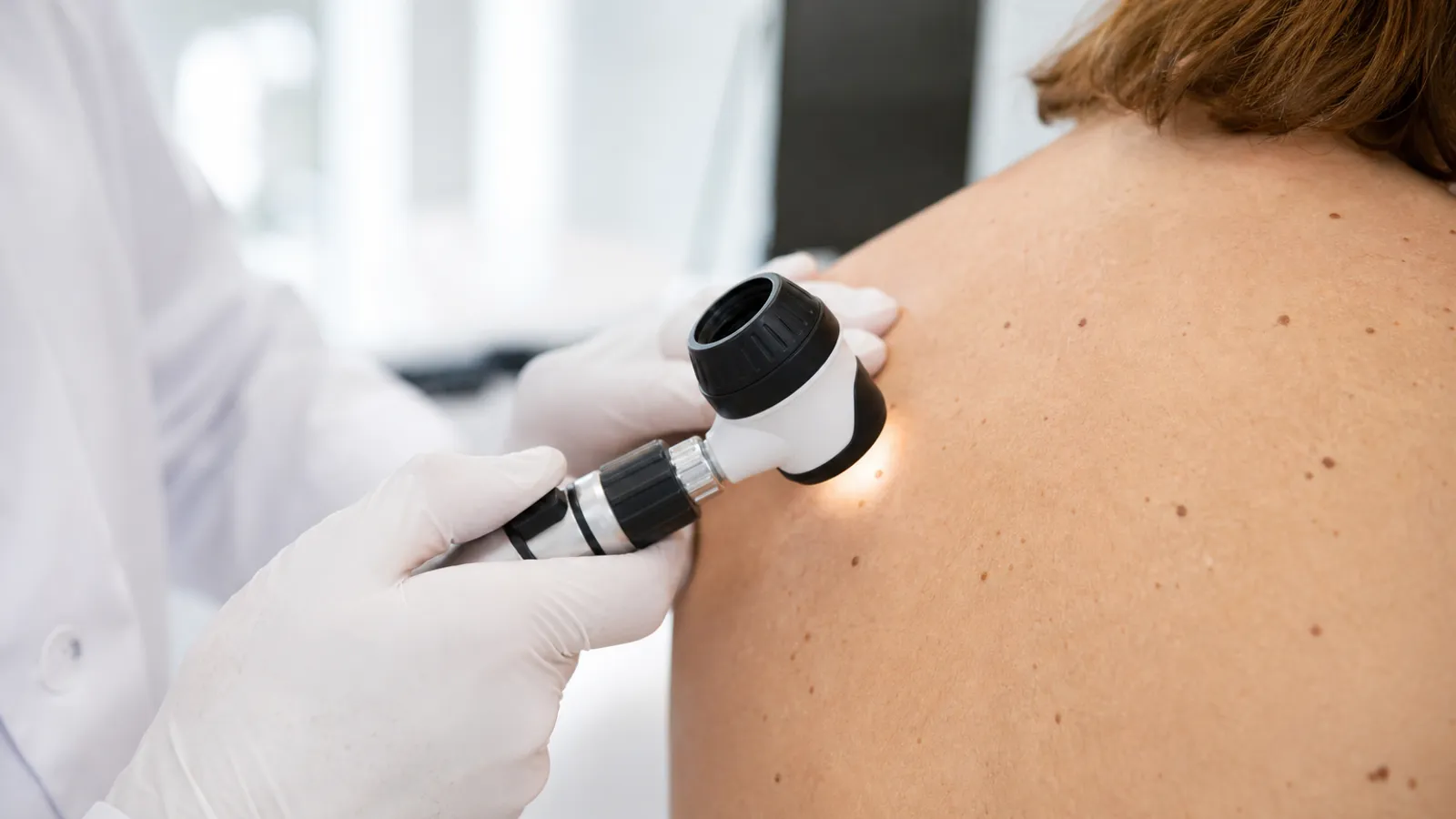
Skin cancer is the most common cancer in the United States, and coastal North Carolina's year-round sun exposure puts our patients at higher-than-average risk. A screening at Intracoastal Dermatology is a systematic head-to-toe examination in which Dr. Blair Harris evaluates moles, growths, and lesions — using dermoscopy to inspect anything suspicious — and can biopsy any spot of concern, usually during the same visit. Because Dr. Harris is both a dermatologist and a Mohs surgeon, patients who do need treatment can have it planned and performed within the same practice.
What Causes Skin Cancer Screening?
Skin cancer is primarily caused by exposure to ultraviolet (UV) radiation from the sun or artificial sources like tanning beds. Risk factors for skin cancer include fair skin, a history of sunburns, a family history of skin cancer, a weakened immune system, and certain genetic conditions.
Types of Skin Cancer Screening
Basal Cell Carcinoma
The most common type of skin cancer, often appearing as a pearly or waxy bump on the skin.
Squamous Cell Carcinoma
A type of skin cancer that can appear as a red, scaly patch or a firm, raised nodule.
Melanoma
The most dangerous form of skin cancer, often presenting as an irregularly shaped mole with asymmetrical borders and multiple colors.
Adnexal Carcinoma
Adnexal carcinoma refers to a group of rare malignancies that arise from the appendages of the skin, which include structures such as sweat glands, sebaceous glands, hair follicles, and apocrine glands. These tumors can occur in various locations on the skin, often presenting as skin lesions or nodules. Adnexal carcinomas are typically classified based on the specific cell type they originate from, such as eccrine or apocrine glands.
Merkel Cell Carinoma
Merkel cell carcinoma (MCC) is a rare and aggressive type of skin cancer that primarily affects the Merkel cells, which are found in the top layer of the skin. These cells are responsible for the sense of touch and are located in the basal layer of the epidermis. Merkel cell carcinoma is named after these cells, but it is not entirely clear whether the cancer originates directly from Merkel cells or from other nearby cells that share similar characteristics.
Treatment Options
Treatment options for skin cancer depend on the type, size, location, and stage of cancer. Dr. Harris will develop a personalized treatment plan based on these factors. Common treatment approaches include:
Surgical Treatments
Surgical procedures to remove cancerous tissue.
Types of Surgical Treatments
Surgical Excision
The removal of the cancerous lesion and a margin of surrounding healthy tissue to ensure complete removal.
Mohs Surgery
A specialized surgical technique that involves removing thin layers of skin and examining them under a microscope to ensure complete removal of cancer cells while preserving healthy tissue.
Non-Surgical Treatments
Alternative treatments for specific cases.
Types of Non-Surgical Treatments
Cryotherapy
Freezing the cancerous lesion with liquid nitrogen to destroy abnormal cells.
Topical Medications
Prescription creams or gels that are applied directly to the skin to treat precancerous lesions or early-stage skin cancer.
Advanced Treatments
Treatments for advanced or aggressive cases.
Types of Advanced Treatments
Radiation Therapy
Using high-energy radiation to target and destroy cancer cells.
Chemotherapy
Oral or intravenous medications that kill cancer cells or slow their growth.
Ready to get started?
Schedule a consultation with our board-certified dermatologist.
Lifestyle & Home Care
Sun Protection
Wearing sunscreen, protective clothing, and seeking shade can help prevent skin cancer.
Regular Skin Checks
Performing self-examinations and seeking professional skin cancer screenings can aid in early detection.
Avoiding Tanning Beds
Tanning beds emit harmful UV radiation and increase the risk of skin cancer.
Ongoing Care
How often you should be screened depends on your history: fair skin, significant sun exposure, many moles, or a personal or family history of skin cancer all argue for annual (or more frequent) exams. Between visits, we teach patients what changes to watch for using the ABCDE warning signs for melanoma. If you have never had a baseline skin exam, that first visit is the most valuable one.
Questions about Skin Cancer Screening?
We're happy to help you decide the best next step.
Related Services
Psoriasis
Learn more about this service
Learn moreAtopic Dermatitis (Eczema)
Learn more about this service
Learn moreBullous Diseases
Learn more about this service
Learn moreLichen Planus
Learn more about this service
Learn moreVitiligo
Learn more about this service
Learn moreAcne
Learn more about this service
Learn moreYour Physician
About Blair Harris, DO, FAAD

Blair Harris, DO, FAAD
Double Board-Certified Dermatologist and Mohs Surgeon
Dr. Harris brings extensive expertise in both general and surgical dermatology, providing comprehensive skin care for patients in the Leland area. With double board certification and specialized training in Mohs surgery, he delivers the highest standard of care for skin cancer treatment and complex dermatological conditions.