Atopic Dermatitis (Eczema)
Atopic dermatitis (eczema) causes dry, itchy, inflamed skin in children and adults. Our Leland dermatology team builds treatment plans that break the itch-scratch cycle and restore the skin barrier.
About Atopic Dermatitis (Eczema)
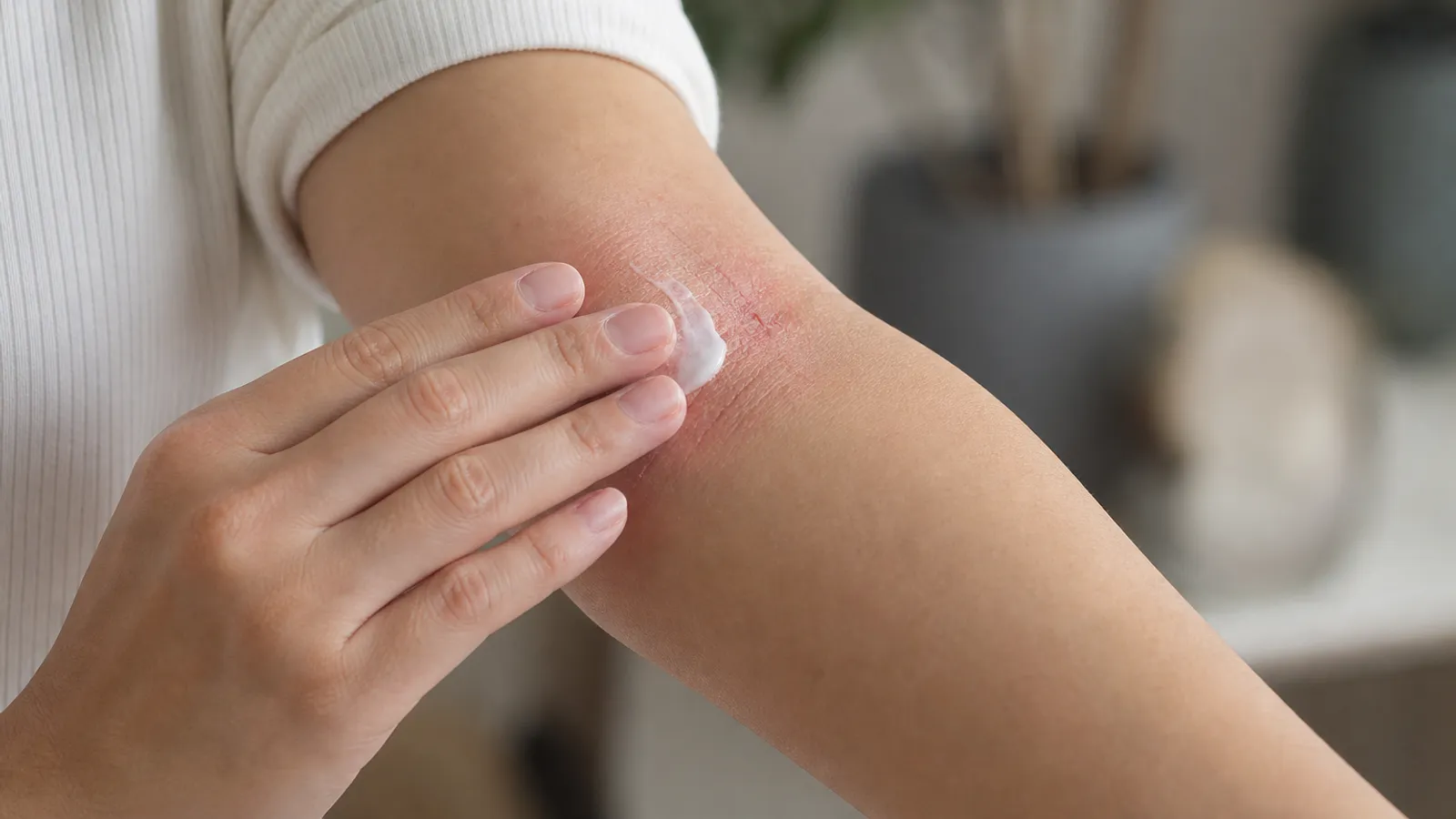
Eczema is far more than dry skin — it is a chronic inflammatory condition rooted in a compromised skin barrier and an over-reactive immune response, and the relentless itch can disrupt sleep, school, and work. At Intracoastal Dermatology we treat eczema across every age group, from infants to adults who have struggled with flares for decades. Dr. Blair Harris and our physician assistants focus first on getting the inflammation under control, then on a barrier-repair and trigger-avoidance routine that keeps it that way.
What Causes Atopic Dermatitis (Eczema)?
The exact cause of eczema is not fully understood, but genetic and environmental factors are believed to play a role. Triggers such as infections, stress, certain medications, and injuries can exacerbate eczema symptoms.
Types of Atopic Dermatitis (Eczema)
Contact Dermatitis
An allergic reaction to substances that come into contact with the skin, causing redness, itching, and inflammation. Treatment involves avoiding triggers, using emollients, and topical corticosteroids.
Nummular Eczema
Characterized by coin-shaped patches of irritated skin, often triggered by dry skin, irritants, or stress. Management may include moisturizing creams, and topical corticosteroids.
Dyshidrotic Eczema
Causes small, itchy blisters on the hands and feet, often triggered by stress, allergies, or exposure to irritants. Treatment involves topical corticosteroids, and antihistamines.
Seborrheic Dermatitis
A common form of eczema affecting the scalp, face, and other oily areas of the body, causing red, scaly patches. Management includes medicated shampoos, topical corticosteroids, and antifungal creams.
Treatment Options
Treatment for atopic dermatitis aims to relieve symptoms, reduce inflammation, and prevent flare-ups. Here are some common approaches:
Topical Corticosteroids
These are anti-inflammatory creams or ointments that help reduce redness and itching. They come in varying strengths and are applied directly to the affected skin. Long-term use may have side effects, so it's important to use them as prescribed by a healthcare professional.
Topical Calcineurin Inhibitors
These are non-steroidal creams or ointments that also reduce inflammation and can be used in sensitive areas like the face and neck. They are often recommended when corticosteroids are not suitable.
Types of Topical Calcineurin Inhibitors
Tacrolimus
Tacrolimus is a topical calcineurin inhibitor that helps reduce inflammation and itching in eczema.
Pimecrolimus
Pimecrolimus is another topical calcineurin inhibitor that is used to treat eczema in sensitive areas.
Emollients/Moisturizers
Regular use of moisturizers helps keep the skin hydrated, reducing dryness and itching. Emollients are an essential part of managing atopic dermatitis, and they are often used alongside other treatments.
Types of Emollients/Moisturizers
Ointments
Ointments are thicker and provide a stronger barrier to lock in moisture. They are particularly helpful for very dry or thickened skin.
Creams
Creams are lighter and easier to apply, making them suitable for daily use on larger areas of the body.
Lotions
Lotions are the lightest and are often preferred for areas of the body that are not as dry or thickened.
Antihistamines
Antihistamines can help relieve itching and improve sleep quality for individuals with eczema. They are available over-the-counter or by prescription and may cause drowsiness as a side effect.
Oral or Topical Antibiotics
In cases where there is a bacterial infection due to scratching and broken skin, antibiotics may be prescribed.
Systemic Medications
In severe cases of eczema, systemic medications may be prescribed to help control symptoms throughout the body. These medications are typically used when other treatments have not been effective or when eczema significantly impacts a person's quality of life.
Types of Systemic Medications
Corticosteroids
Oral corticosteroids may be used for short periods to control severe eczema flare-ups, but long-term use is generally avoided due to potential side effects.
Immunosuppressants
In more severe cases, oral immunosuppressive medications may be recommended to modulate the immune response and reduce inflammation. However, these are usually reserved for cases that do not respond to other treatments due to potential side effects.
Biologics
These newer medications target specific parts of the immune system involved in the development of psoriasis. Biologics are administered through injections or infusions and require follow up visits for effectiveness and side effects.
Ready to get started?
Schedule a consultation with our board-certified dermatologist.
Lifestyle & Home Care
Moisturizing
Keeping the skin hydrated can help reduce itching and scaling.
Stress Management
Finding ways to manage stress, such as through exercise, meditation, or therapy, can be beneficial.
Avoiding Triggers
Identifying and avoiding triggers, such as certain foods, infections, and skin injuries, can help prevent eczema flare-ups.
Ongoing Care
Because eczema varies so much from person to person, follow-up matters: what calms one patient's flares may do little for another's. We fine-tune your regimen over time — prescription topicals, newer systemic options for stubborn cases, and practical skincare guidance you can actually maintain. Most patients do best with a clear written routine and periodic check-ins to adjust it as seasons, stress, and skin change.
Questions about Atopic Dermatitis (Eczema)?
We're happy to help you decide the best next step.
Related Services
Psoriasis
Learn more about this service
Learn moreBullous Diseases
Learn more about this service
Learn moreLichen Planus
Learn more about this service
Learn moreVitiligo
Learn more about this service
Learn moreAcne
Learn more about this service
Learn moreRosacea
Learn more about this service
Learn moreYour Physician
About Blair Harris, DO, FAAD

Blair Harris, DO, FAAD
Double Board-Certified Dermatologist and Mohs Surgeon
Dr. Harris brings extensive expertise in both general and surgical dermatology, providing comprehensive skin care for patients in the Leland area. With double board certification and specialized training in Mohs surgery, he delivers the highest standard of care for skin cancer treatment and complex dermatological conditions.