Psoriasis
Psoriasis is a chronic autoimmune condition that causes thick, scaly plaques on the skin. Dr. Blair Harris helps patients in Leland, NC find a treatment plan that calms flares and keeps them controlled.
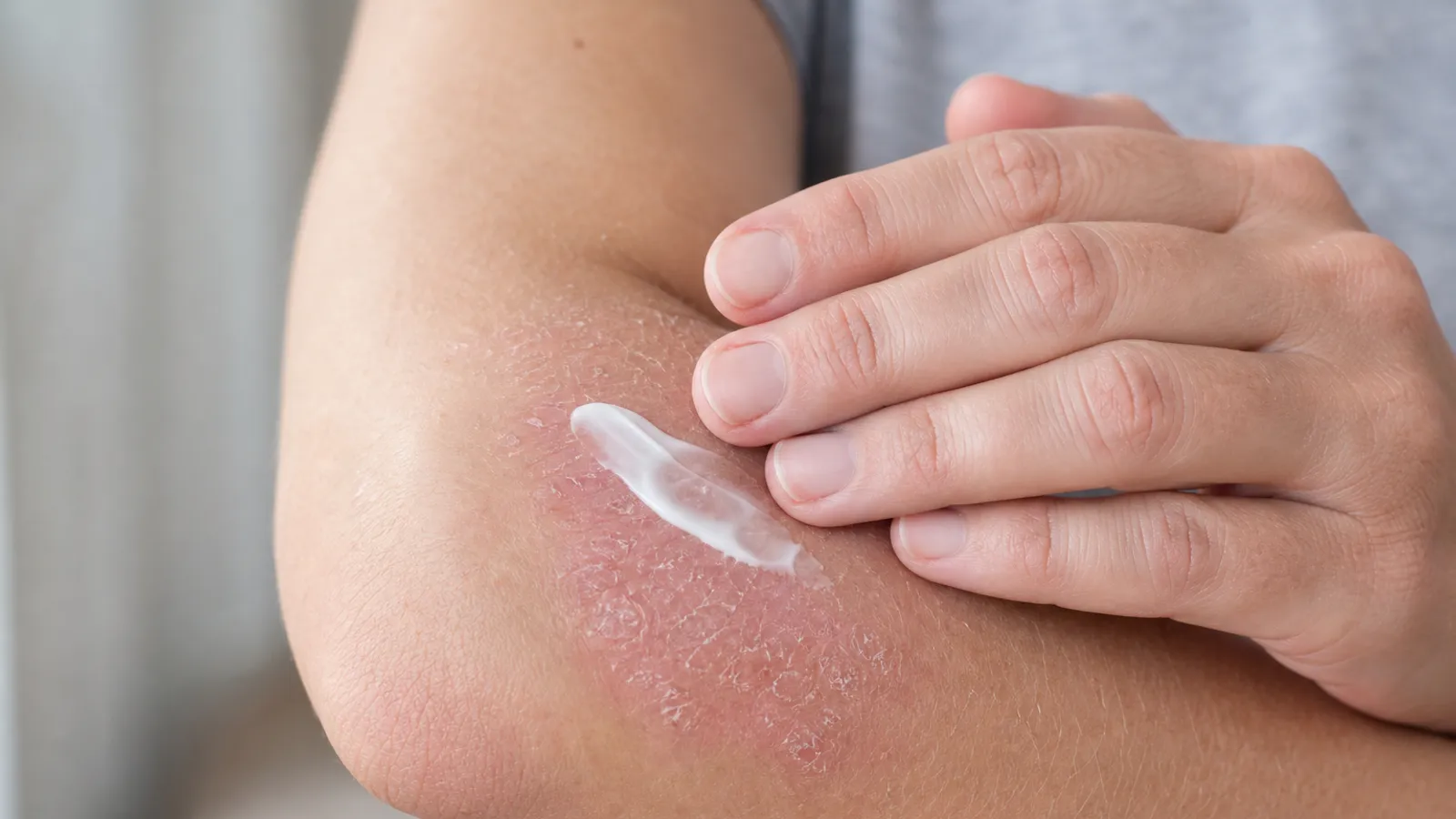
About Psoriasis
Psoriasis occurs when the immune system speeds up skin cell turnover — cells that normally mature over a month reach the surface in days, piling up into the raised, silvery plaques the condition is known for. It is one of the most common chronic conditions we treat at Intracoastal Dermatology, and one where an individualized plan matters most: psoriasis that responds well to topical treatment in one patient may need systemic therapy in another. Dr. Harris begins by confirming the type of psoriasis you have and how much of your skin and daily life it affects, then matches treatment to that severity rather than taking a one-size-fits-all approach.
What Causes Psoriasis?
The exact cause of psoriasis is not fully understood, but genetic and environmental factors are believed to play a role. Triggers such as infections, stress, certain medications, and injuries can exacerbate psoriasis symptoms.
Types of Psoriasis
Plaque Psoriasis
The most common form, presenting as raised, inflamed patches covered with silvery-white scales.
Guttate Psoriasis
Appears as small, dot-like lesions.
Inverse Psoriasis
Occurs in skin folds and appears as smooth, inflamed patches.
Pustular Psoriasis
Characterized by white pustules surrounded by red skin.
Erythrodermic Psoriasis
A severe form that affects most of the body surface.
Treatment Options
Treatment approaches for psoriasis aim to alleviate symptoms, reduce inflammation, and slow down the excessive skin cell growth. The choice of treatment depends on the severity of the condition, the type of psoriasis, and individual factors. Common treatment modalities include:
Topical Treatments
Applied directly to the skin to reduce inflammation and skin cell turnover.
Types of Topical Treatments
Corticosteroids
Anti-inflammatory creams or ointments that help reduce redness and itching.
Topical Retinoids
Derived from vitamin A, these medications help to normalize skin cell growth.
Calcineurin Inhibitors
Non-steroidal creams or ointments that reduce inflammation and itching.
Phosphodiesterase Inhibitor
A newer class of topical medication that helps to reduce inflammation and skin cell growth.
Aryl Hydrocarbon Receptor Agonist
A topical medication that helps to regulate skin cell growth and inflammation.
Systemic Medications
Oral or injected medications that work throughout the body.
Types of Systemic Medications
Oral Medications
Methotrexate, cyclosporine, and acitretin are oral medications that can help control psoriasis symptoms.
Biologics
Newer medications that target specific parts of the immune system involved in psoriasis development.
Ready to get started?
Schedule a consultation with our board-certified dermatologist.
Lifestyle & Home Care
Moisturizing
Keeping the skin hydrated can help reduce itching and scaling.
Stress Management
Finding ways to manage stress, such as through exercise, meditation, or therapy, can be beneficial.
Avoiding Triggers
Identifying and avoiding triggers, such as certain foods, infections, and skin injuries, can help prevent psoriasis flare-ups.
Ongoing Care
Psoriasis is a long-term condition, so management is an ongoing partnership rather than a single prescription. We work with you to identify personal triggers — stress, infections, certain medications, skin injury — and adjust therapy as your skin responds. Regular follow-up visits at our Leland office let Dr. Harris track your progress and step treatment up or down as needed.
Questions about Psoriasis?
We're happy to help you decide the best next step.
Related Services
Atopic Dermatitis (Eczema)
Learn more about this service
Learn moreBullous Diseases
Learn more about this service
Learn moreLichen Planus
Learn more about this service
Learn moreVitiligo
Learn more about this service
Learn moreAcne
Learn more about this service
Learn moreRosacea
Learn more about this service
Learn moreYour Physician
About Blair Harris, DO, FAAD
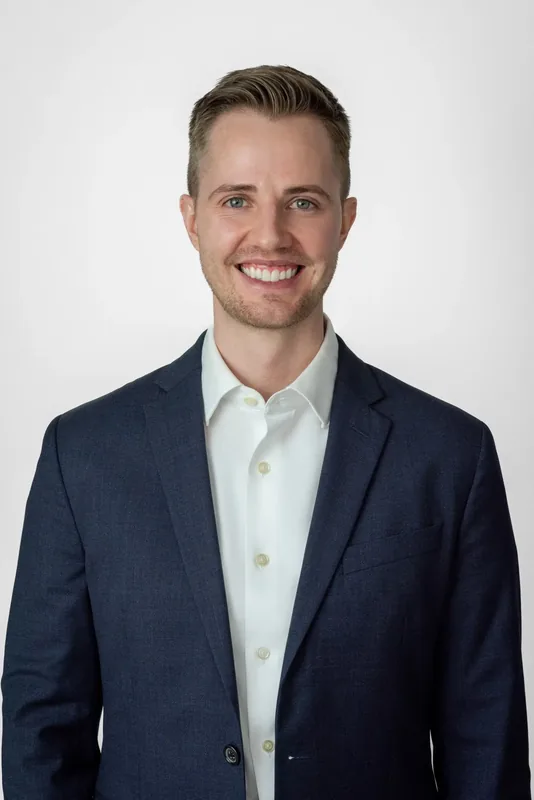
Blair Harris, DO, FAAD
Double Board-Certified Dermatologist and Mohs Surgeon
Dr. Harris brings extensive expertise in both general and surgical dermatology, providing comprehensive skin care for patients in the Leland area. With double board certification and specialized training in Mohs surgery, he delivers the highest standard of care for skin cancer treatment and complex dermatological conditions.