Bullous Diseases
Bullous diseases are blistering skin disorders that require accurate diagnosis and careful management. Dr. Blair Harris evaluates and treats blistering conditions at our Leland, NC office.
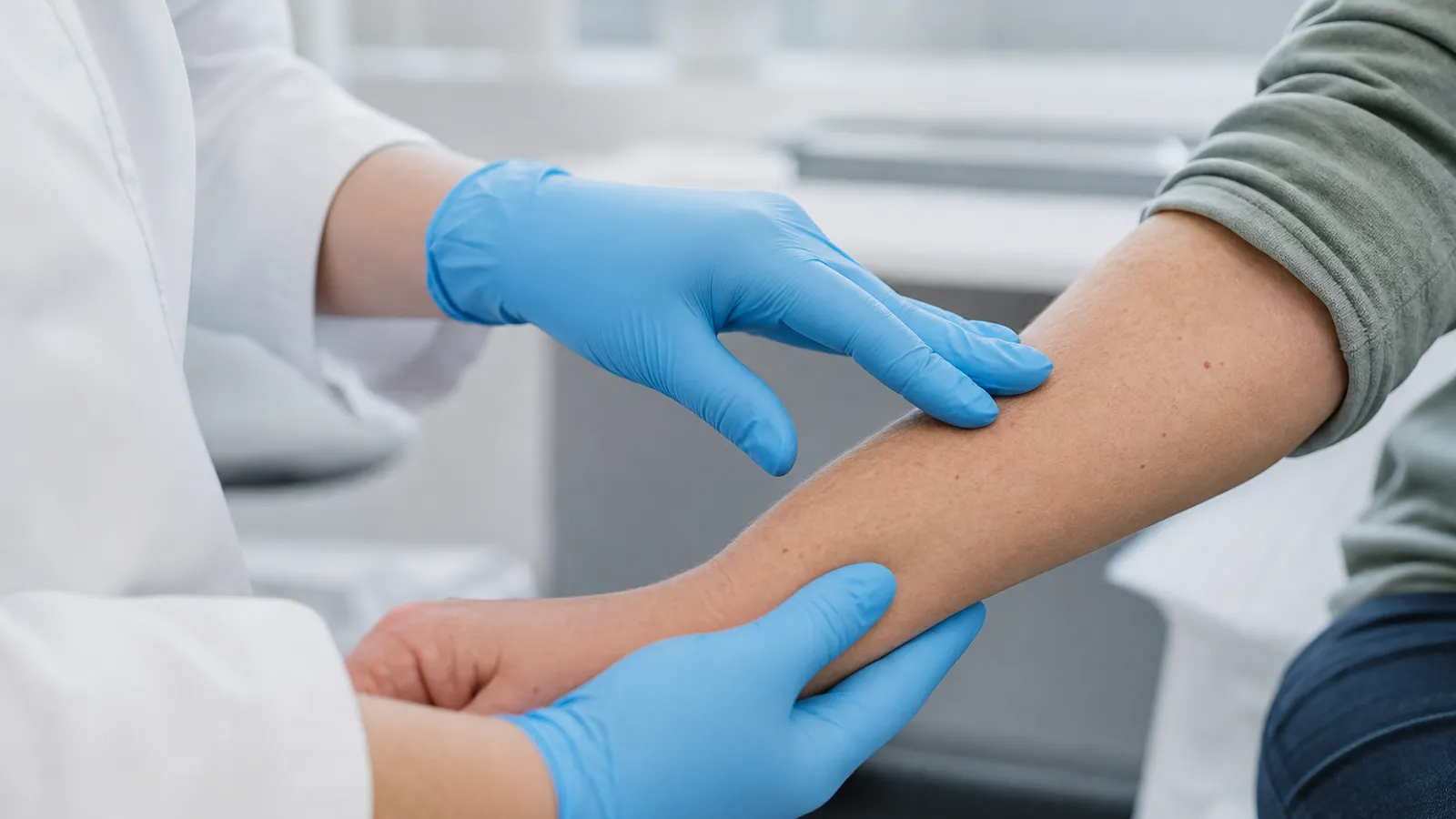
About Bullous Diseases
Bullous diseases are a group of conditions — many of them autoimmune — in which fluid-filled blisters form within or beneath the skin. Because several different disorders can look alike, and because some require urgent treatment, accurate diagnosis is the critical first step. Dr. Harris typically confirms the specific disease with a skin biopsy performed in our office, which guides both the treatment choice and what you can expect going forward.
What Causes Bullous Diseases?
The underlying causes of bullous diseases are multifactorial. They may result from autoimmune reactions where the immune system mistakenly attacks proteins within the skin, genetic predispositions that affect skin structure and function, infections that trigger immune responses, or reactions to certain medications. Environmental factors and triggers can also play a role in exacerbating these conditions.
Types of Bullous Diseases
Pemphigus
Pemphigus is an autoimmune disorder where the immune system mistakenly attacks the proteins that hold skin cells together, leading to the formation of fragile blisters on the skin and mucous membranes.
Pemphigoid
Pemphigoid is another autoimmune blistering disorder, but it primarily affects the basement membrane zone, resulting in tense blisters that often occur on the arms, legs, and abdomen.
Dermatitis Herpetiformis
Linked to celiac disease, dermatitis herpetiformis is an autoimmune disorder resulting in intensely itchy, blistering skin lesions. It is triggered by gluten ingestion.
Bullous Pemphigoid
An autoimmune disorder mainly affecting older individuals, causing large, tense blisters and hives.
Treatment Options
The treatment of bullous diseases often involves a multidisciplinary approach, with Dr. Harris, immunology, and other specialists working together. Management aims to control symptoms, prevent complications, and improve the patient's quality of life. It is crucial for individuals with bullous diseases to adhere to prescribed medications, follow proper skin care routines, and attend regular medical check-ups to monitor their condition. Additionally, ongoing research and advancements in medical science continue to contribute to the development of more effective and targeted treatments for bullous diseases.
Corticosteroids
Corticosteroids are the mainstay of treatment for bullous diseases due to their potent anti-inflammatory effects. They are used topically to reduce inflammation and blister formation, as well as systemically in severe cases to suppress immune responses.
Types of Corticosteroids
Topical Corticosteroids
Topical corticosteroids are applied directly to affected skin areas to reduce inflammation and promote healing. They come in various strengths and formulations depending on the severity of the condition.
Systemic Corticosteroids
Systemic corticosteroids are administered orally or intravenously in more severe cases to control widespread inflammation and blistering. Long-term use is carefully monitored due to potential side effects.
Immunosuppressive Medications
Immunosuppressive medications are used to modulate immune responses and reduce autoimmune activity in bullous diseases. They are typically prescribed when corticosteroids alone are insufficient or to minimize corticosteroid use.
Types of Immunosuppressive Medications
Azathioprine
Azathioprine is an immunosuppressive agent that inhibits the proliferation of immune cells responsible for attacking skin tissues in autoimmune disorders like pemphigus and pemphigoid.
Mycophenolate Mofetil
Mycophenolate mofetil suppresses immune responses by targeting specific enzymes involved in the synthesis of nucleic acids required for cell division. It is used to control autoimmune reactions in bullous diseases.
Rituximab
Rituximab is a monoclonal antibody that targets B cells in the immune system, reducing their activity and antibody production. It is reserved for severe cases of pemphigus or pemphigoid that are resistant to conventional therapies.
Dietary Management
In cases of bullous diseases associated with dietary triggers, such as dermatitis herpetiformis linked to gluten sensitivity, adherence to a strict gluten-free diet is essential. This dietary modification can help alleviate symptoms and prevent disease exacerbations.
Ready to get started?
Schedule a consultation with our board-certified dermatologist.
Lifestyle & Home Care
Dietary Management
In cases of bullous diseases associated with dietary triggers, such as dermatitis herpetiformis linked to gluten sensitivity, adherence to a strict gluten-free diet is essential. This dietary modification can help alleviate symptoms and prevent disease exacerbations.
Ongoing Care
Treatment focuses on controlling blister formation, protecting fragile skin, and preventing complications, often with topical or systemic medications that quiet the immune response. These conditions need closer monitoring than most skin diseases, so we schedule regular follow-ups to track your response and coordinate with your other physicians when systemic therapy is involved.
Questions about Bullous Diseases?
We're happy to help you decide the best next step.
Related Services
Psoriasis
Learn more about this service
Learn moreAtopic Dermatitis (Eczema)
Learn more about this service
Learn moreLichen Planus
Learn more about this service
Learn moreVitiligo
Learn more about this service
Learn moreAcne
Learn more about this service
Learn moreRosacea
Learn more about this service
Learn moreYour Physician
About Blair Harris, DO, FAAD

Blair Harris, DO, FAAD
Double Board-Certified Dermatologist and Mohs Surgeon
Dr. Harris brings extensive expertise in both general and surgical dermatology, providing comprehensive skin care for patients in the Leland area. With double board certification and specialized training in Mohs surgery, he delivers the highest standard of care for skin cancer treatment and complex dermatological conditions.