Excessive Sweating
Hyperhidrosis — sweating far beyond what your body needs — is treatable. Our Leland office offers clinical-strength and prescription options to restore your confidence.
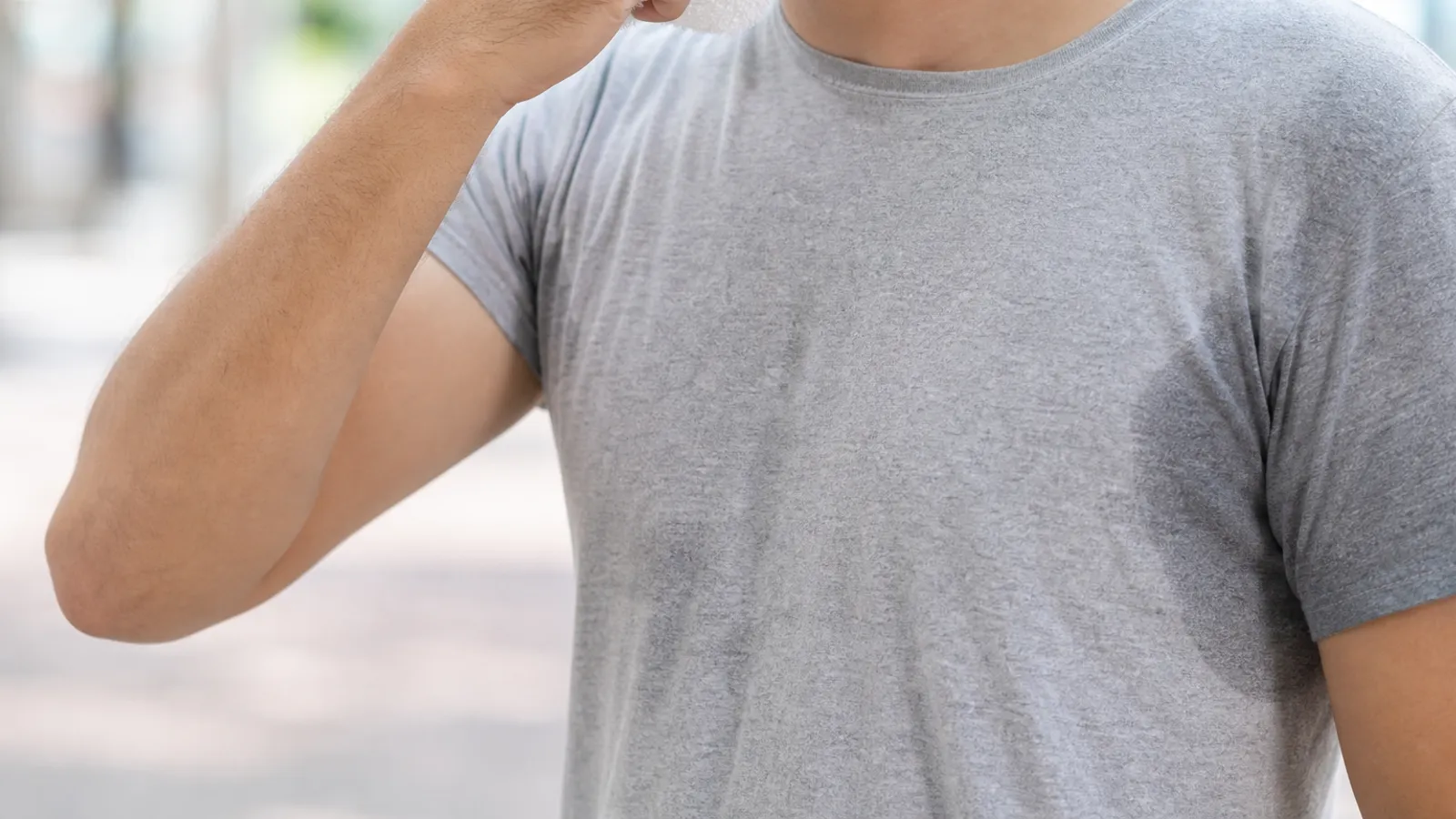
About Excessive Sweating
Hyperhidrosis is excessive sweating beyond what is needed to regulate body temperature, most often affecting the underarms, palms, feet, or face. Patients often live with it for years assuming nothing can be done, when in fact it is one of the more treatable conditions we see. Dr. Blair Harris first rules out an underlying medical cause, then works through treatment options in order of invasiveness — clinical-strength antiperspirants, prescription topical and oral medications, and additional interventions for cases that do not respond.
What Causes Excessive Sweating?
The exact cause of hyperhidrosis is not fully understood, but it is believed to involve overactivity of the sweat glands due to an overactive sympathetic nervous system. Genetic factors may also play a role in the development of hyperhidrosis.
Types of Excessive Sweating
Primary Hyperhidrosis
Occurs without an underlying medical condition and is often localized to specific areas of the body.
Secondary Hyperhidrosis
Caused by an underlying medical condition or medication and may involve generalized sweating.
Treatment Options
Treatment options for hyperhidrosis range from topical applications to surgical interventions. The choice of treatment depends on the severity of symptoms and affected areas. Common treatment approaches include:
Non-invasive Treatments
First-line treatments applied to the skin surface.
Types of Non-invasive Treatments
Aluminum Chloride Antiperspirant
Available over-the-counter or by prescription, these antiperspirants can help reduce sweating when applied to the skin.
Iontophoresis
A procedure that involves passing a mild electrical current through the skin to block sweat gland activity.
Medical Treatments
Prescription medications and injections.
Types of Medical Treatments
Botulinum Toxin Injections
Injecting botulinum toxin into the skin can block the release of acetylcholine, a neurotransmitter that stimulates sweat glands.
Anticholinergics
Medications that block the action of acetylcholine, a neurotransmitter that stimulates sweat glands.
Beta-Blockers
Medications that can help reduce sweating by blocking the effects of adrenaline.
Advanced Procedures
For severe cases that don't respond to other treatments.
Types of Advanced Procedures
Microwave Thermolysis
A minimally invasive procedure that uses microwave energy to target and destroy sweat glands in the underarms.
Endoscopic Thoracic Sympathectomy
A surgical procedure that involves cutting or clamping the sympathetic nerves that control sweating.
Sweat Gland Removal
Surgical removal of sweat glands in the underarms.
Ready to get started?
Schedule a consultation with our board-certified dermatologist.
Lifestyle & Home Care
Wearing Breathable Fabrics
Choosing natural, breathable fabrics like cotton can help reduce sweating and improve comfort.
Stress Management
Finding ways to manage stress and anxiety can help reduce episodes of excessive sweating triggered by emotional factors.
Regular Hygiene
Maintaining good hygiene practices, such as showering daily and using antiperspirants, can help manage excessive sweating.
Ongoing Care
Treatment is stepwise: many patients get meaningful relief from the first or second option tried, while others need combination therapy. We follow up to gauge how much the sweating — and its impact on your work, wardrobe, and social life — has improved, and escalate treatment until it is controlled.
Questions about Excessive Sweating?
We're happy to help you decide the best next step.
Related Services
Psoriasis
Learn more about this service
Learn moreAtopic Dermatitis (Eczema)
Learn more about this service
Learn moreBullous Diseases
Learn more about this service
Learn moreLichen Planus
Learn more about this service
Learn moreVitiligo
Learn more about this service
Learn moreAcne
Learn more about this service
Learn moreYour Physician
About Blair Harris, DO, FAAD
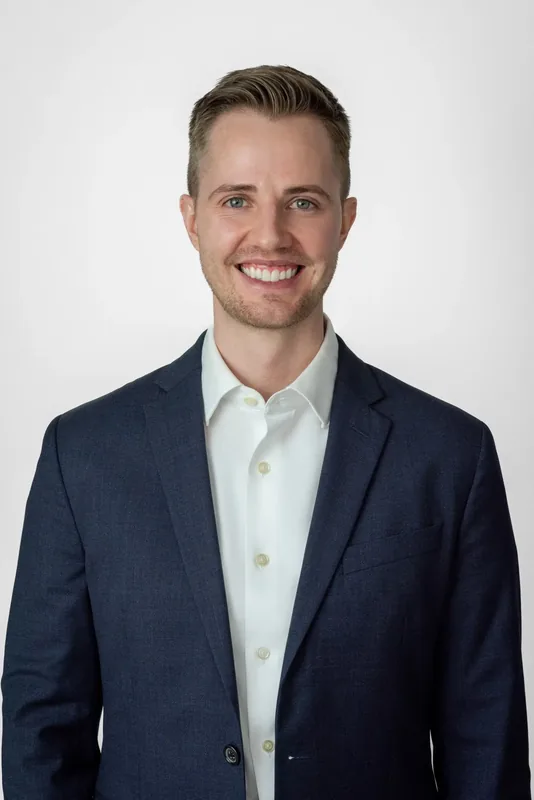
Blair Harris, DO, FAAD
Double Board-Certified Dermatologist and Mohs Surgeon
Dr. Harris brings extensive expertise in both general and surgical dermatology, providing comprehensive skin care for patients in the Leland area. With double board certification and specialized training in Mohs surgery, he delivers the highest standard of care for skin cancer treatment and complex dermatological conditions.