Rosacea
Rosacea causes persistent facial redness, flushing, and acne-like bumps. Our Leland dermatology practice offers prescription treatment and laser options for lasting control.
About Rosacea
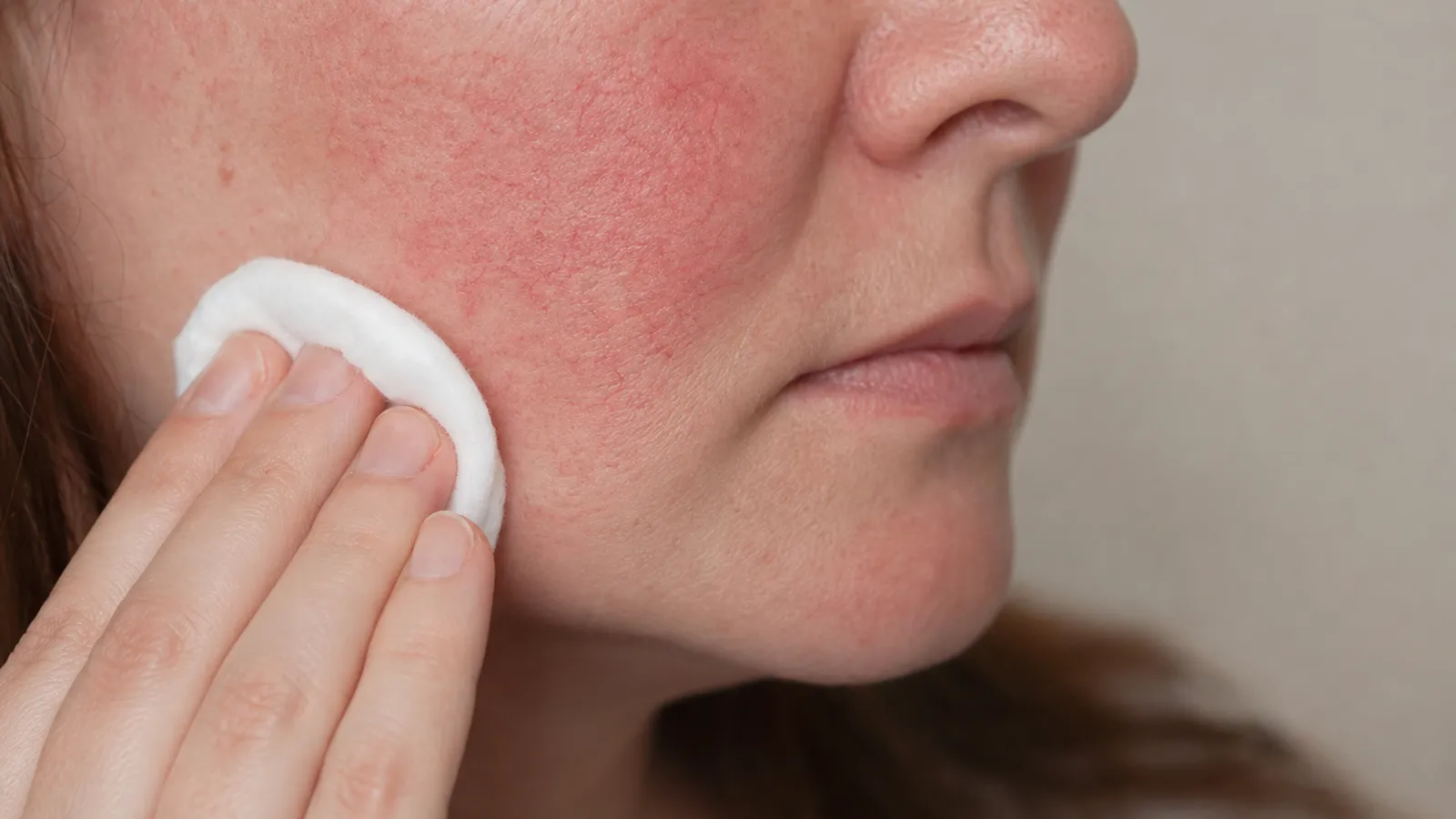
Rosacea most often appears between ages 30 and 50 as persistent redness across the cheeks and nose, easy flushing, visible blood vessels, and sometimes acne-like bumps or irritated eyes. Coastal life does rosacea no favors — sun and heat are two of its most common triggers — so a practical prevention strategy matters as much as prescriptions. Dr. Blair Harris identifies which subtype of rosacea you have and pairs medical treatment with trigger management; for visible vessels and stubborn redness, in-office vascular laser treatments such as our KTP and IPL devices can accomplish what creams cannot.
What Causes Rosacea?
The exact cause of rosacea is not fully understood, but a combination of genetic, environmental, and vascular factors is believed to play a role. Triggers such as sun exposure, hot or spicy foods, alcohol, stress, and certain medications can exacerbate rosacea symptoms.
Types of Rosacea
Erythematotelangiectatic Rosacea
Characterized by persistent redness, flushing, and visible blood vessels.
Papulopustular Rosacea
Involves acne-like bumps and pustules in addition to redness and flushing.
Phymatous Rosacea
Results in thickened, bumpy skin and enlargement of the nose (rhinophyma) or other facial features.
Ocular Rosacea
Affects the eyes, causing dryness, irritation, and redness.
Treatment Options
Treatment options for rosacea focus on controlling symptoms, reducing inflammation, and preventing flare-ups. The choice of treatment depends on the type and severity of symptoms. Common treatment approaches include:
Topical Treatments
Applied directly to the skin to reduce redness and inflammation.
Types of Topical Treatments
Azelaic Acid
Helps reduce inflammation and redness in the skin.
Metronidazole
An antibiotic that reduces inflammation and redness.
Oral Medications
Prescribed for more severe cases to reduce inflammation and control symptoms.
Types of Oral Medications
Oral Antibiotics
Tetracycline, doxycycline, or minocycline to reduce inflammation.
Isotretinoin
Reserved for severe cases resistant to other treatments.
Laser and Light Therapy
Target blood vessels and reduce redness.
Types of Laser and Light Therapy
Pulsed Dye Laser
Targets blood vessels to reduce redness and flushing.
Intense Pulsed Light (IPL)
Targets redness and pigmentation in the skin.
Surgical Procedures
For severe cases of rhinophyma or thickened skin.
Types of Surgical Procedures
Laser Resurfacing
Removes damaged skin layers and promotes healing.
Electrosurgery
Uses electrical current to remove excess tissue.
Cryosurgery
Freezes affected tissue to reduce thickening.
Ready to get started?
Schedule a consultation with our board-certified dermatologist.
Lifestyle & Home Care
Sun Protection
Wearing sunscreen and protective clothing can help reduce flare-ups triggered by sun exposure.
Avoiding Triggers
Identifying and avoiding triggers, such as hot beverages, spicy foods, alcohol, and stress, can help manage rosacea symptoms.
Gentle Skincare
Using mild, non-irritating skincare products and avoiding harsh ingredients can help maintain skin health.
Ongoing Care
Rosacea is controllable but not curable, so the goal is a routine that prevents flares rather than one that chases them. That usually means daily sun protection, gentle skincare, knowing your personal triggers, and maintenance treatment matched to your subtype. We monitor your skin at follow-up visits and adjust the plan seasonally if needed.
Questions about Rosacea?
We're happy to help you decide the best next step.
Related Services
Psoriasis
Learn more about this service
Learn moreAtopic Dermatitis (Eczema)
Learn more about this service
Learn moreBullous Diseases
Learn more about this service
Learn moreLichen Planus
Learn more about this service
Learn moreVitiligo
Learn more about this service
Learn moreAcne
Learn more about this service
Learn moreYour Physician
About Blair Harris, DO, FAAD
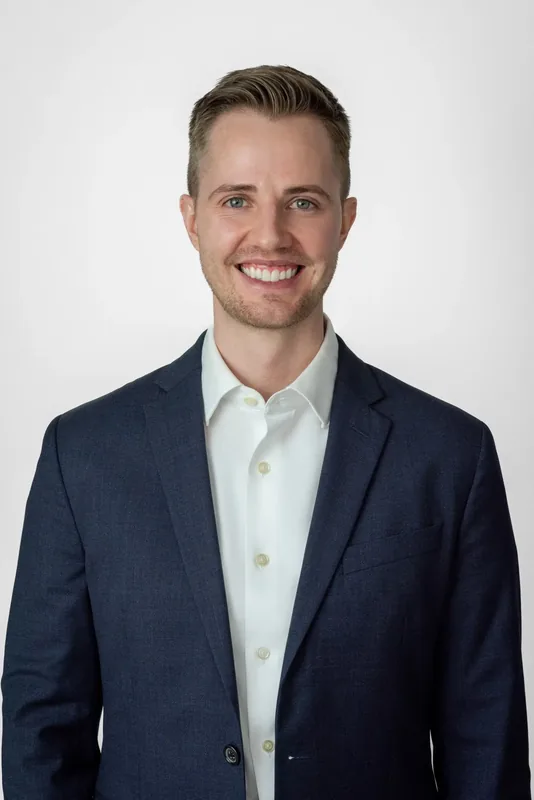
Blair Harris, DO, FAAD
Double Board-Certified Dermatologist and Mohs Surgeon
Dr. Harris brings extensive expertise in both general and surgical dermatology, providing comprehensive skin care for patients in the Leland area. With double board certification and specialized training in Mohs surgery, he delivers the highest standard of care for skin cancer treatment and complex dermatological conditions.