Vitiligo
Vitiligo causes white patches of skin as pigment-producing cells are lost. Our Leland office offers evaluation and treatment options to help stabilize and repigment affected skin.
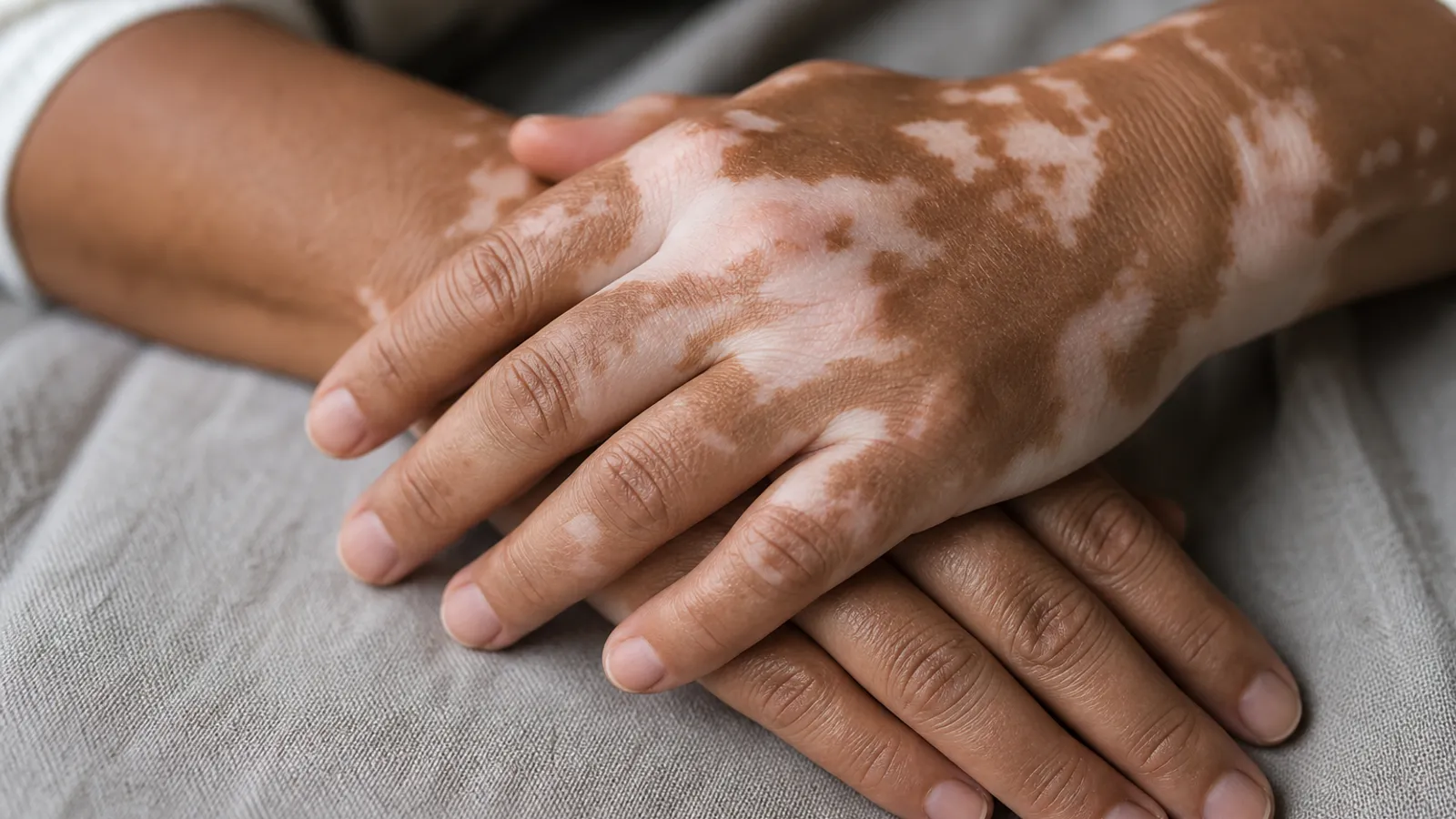
About Vitiligo
Vitiligo develops when melanocytes — the cells that give skin its color — are lost, leaving well-defined white patches that are often most noticeable on the face, hands, and other sun-exposed areas. The condition affects more than skin: for many patients it carries real emotional weight, and we treat that as part of the care, not an afterthought. Dr. Blair Harris evaluates how active the vitiligo is and discusses realistic options, from topical therapies that can encourage repigmentation to strategies for protecting and evening the appearance of affected skin.
What Causes Vitiligo?
The exact cause of vitiligo is not fully understood, but it is believed to involve a combination of genetic, autoimmune, and environmental factors. Autoimmune mechanisms, where the body's immune system mistakenly attacks and destroys its own melanocytes, are considered significant contributors to the development of vitiligo.
Types of Vitiligo
Non-segmental Vitiligo
The most common form, characterized by symmetrical white patches on both sides of the body.
Segmental Vitiligo
Affects one side of the body and tends to progress for a limited period before stabilizing.
Mucosal Vitiligo
Involves the mucous membranes of the mouth, nose, and genitals.
Universal Vitiligo
Affects most of the body surface, leading to widespread depigmentation.
Treatment Options
Treatment options for vitiligo aim to restore color to the affected skin. The choice of treatment depends on factors such as the extent of depigmentation, skin type, and individual response to treatment. Common approaches include:
Topical Treatments
Applied directly to the skin to encourage repigmentation.
Types of Topical Treatments
Topical Corticosteroids
Anti-inflammatory creams that may help return color to the skin.
Calcineurin Inhibitors
Ointments that affect the immune system to help with repigmentation.
Procedures
Professional treatments to address skin depigmentation.
Types of Procedures
Light Therapy (Phototherapy)
Uses ultraviolet light to stimulate melanin production.
Skin Grafting
Surgical procedure transferring pigmented skin to depigmented areas.
Cosmetic Camouflage
Makeup or self-tanners to conceal depigmentation.
Ready to get started?
Schedule a consultation with our board-certified dermatologist.
Lifestyle & Home Care
Sun Protection
Protecting the skin from sun exposure is essential for individuals with vitiligo, as the depigmented areas are more susceptible to sunburn and damage.
Cosmetic Camouflage
Cosmetic products, such as makeup or self-tanners, can help conceal depigmented areas and improve the appearance of the skin.
Support Groups
Joining support groups or seeking counseling can help individuals cope with the emotional impact of vitiligo and connect with others facing similar challenges.
Ongoing Care
There is no cure for vitiligo, and honest expectations are part of good treatment — response varies considerably by body site and how long patches have been present. Sun protection is especially important here on the North Carolina coast, since depigmented skin burns easily and tanning makes patches more noticeable. We follow patients over time and adjust the plan as the condition stabilizes or new patches appear.
Questions about Vitiligo?
We're happy to help you decide the best next step.
Related Services
Psoriasis
Learn more about this service
Learn moreAtopic Dermatitis (Eczema)
Learn more about this service
Learn moreBullous Diseases
Learn more about this service
Learn moreLichen Planus
Learn more about this service
Learn moreAcne
Learn more about this service
Learn moreRosacea
Learn more about this service
Learn moreYour Physician
About Blair Harris, DO, FAAD
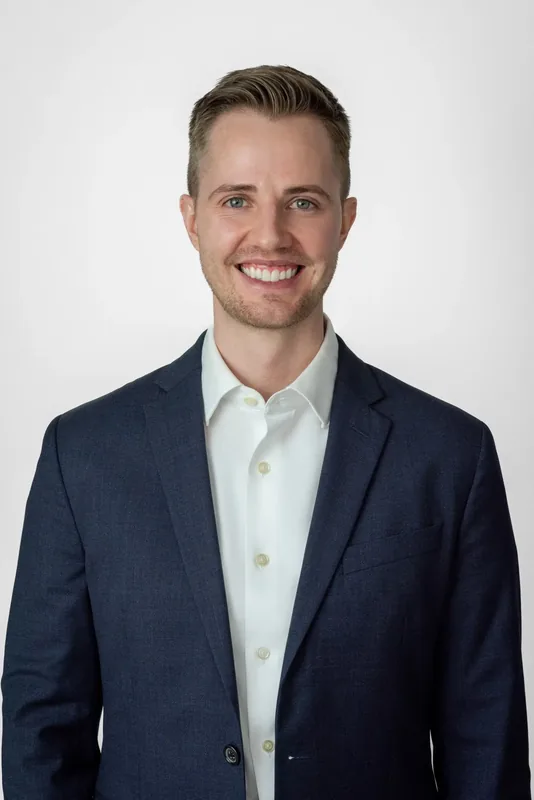
Blair Harris, DO, FAAD
Double Board-Certified Dermatologist and Mohs Surgeon
Dr. Harris brings extensive expertise in both general and surgical dermatology, providing comprehensive skin care for patients in the Leland area. With double board certification and specialized training in Mohs surgery, he delivers the highest standard of care for skin cancer treatment and complex dermatological conditions.