Skin discoloration
Dark spots, melasma, and uneven skin tone diagnosed and treated in Leland, NC with prescription therapy, chemical peels, and laser and light-based treatments.
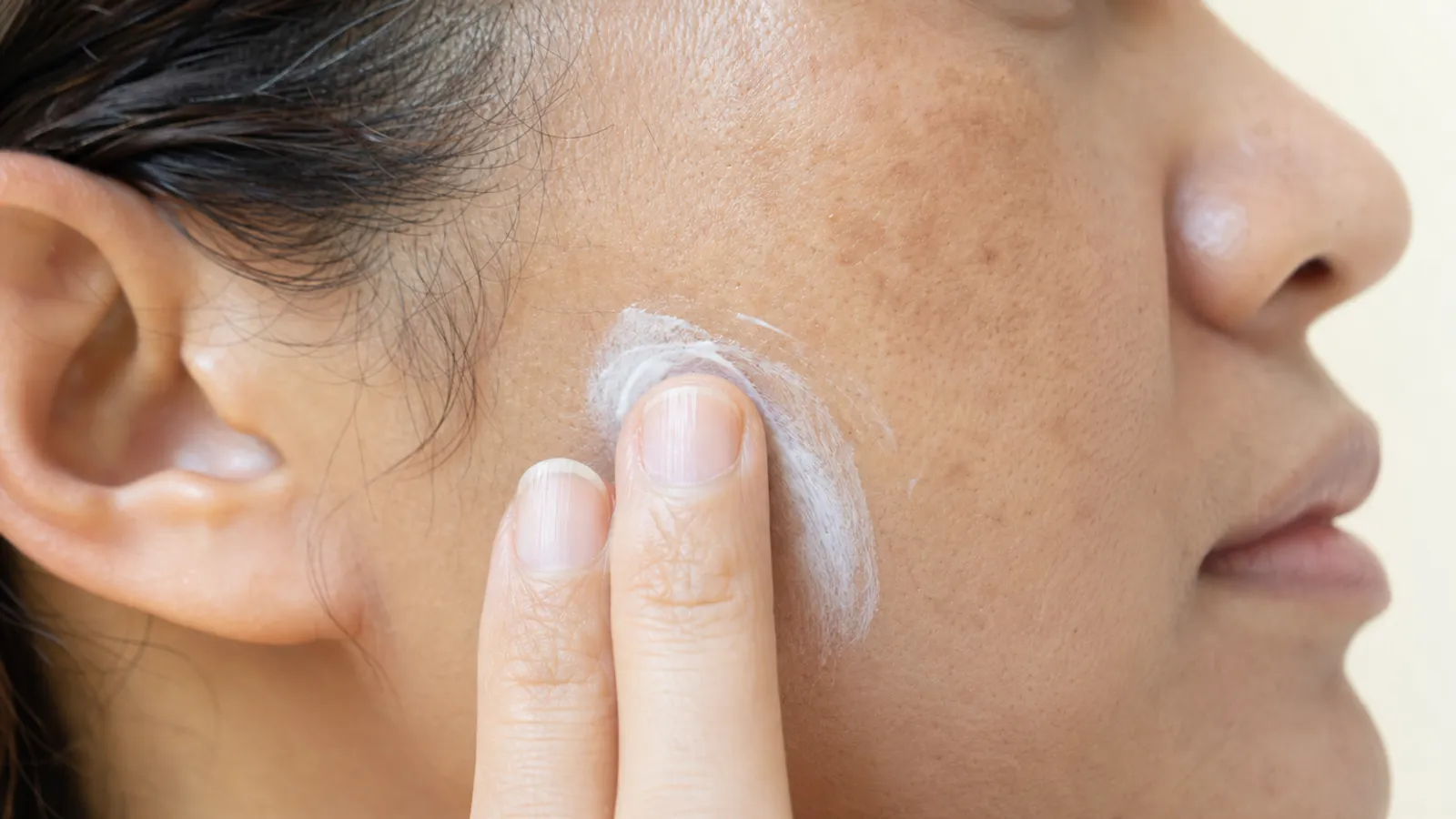
About Skin discoloration
Skin discoloration takes many forms — sun spots, dark marks left behind by acne, melasma driven by hormones and sun, or loss of pigment as in vitiligo — and each has a different fix. Sun exposure is the common thread for most of them, which makes pigment problems especially persistent in our coastal climate. Dr. Blair Harris first identifies the type of discoloration you have, then builds a plan that may combine prescription lightening agents, chemical peels, and light- or laser-based treatments such as IPL, chosen for your skin type and the depth of the pigment.
What Causes Skin discoloration?
Skin discoloration can be caused by a variety of factors, including sun exposure, hormonal changes, skin conditions, medications, genetics, and aging. Common types of skin discoloration include hyperpigmentation, melasma, and vitiligo.
Types of Skin discoloration
Hyperpigmentation
Excessive production of melanin, leading to dark spots or patches on the skin.
Melasma
A common skin condition characterized by brown or gray patches on the face, often triggered by hormonal changes.
Vitiligo
A skin disorder characterized by the loss of pigment-producing cells, resulting in white patches on the skin.
Post-Inflammatory Hyperpigmentation
Darkening of the skin following inflammation or injury, such as acne or eczema.
Treatment Options
Treatment options for hyperpigmentation include topical medications, chemical peels, laser therapy, and other procedures. The choice of treatment depends on the cause, severity, and skin type. Common treatment approaches include:
Topical Treatments
Applied directly to the skin to reduce pigmentation and even out skin tone.
Types of Topical Treatments
Hydroquinone
A skin-lightening agent that reduces melanin production.
Retinoids
Vitamin A derivatives that promote cell turnover and even skin tone.
Vitamin C
An antioxidant that brightens skin and inhibits melanin production.
Kojic Acid
A natural skin lightener derived from fungi that inhibits melanin formation.
Azelaic Acid
A compound that reduces inflammation and lightens dark spots.
Chemical Peels
Exfoliate the skin and promote cell turnover to reduce pigmentation.
Types of Chemical Peels
Glycolic Acid Peel
A mild chemical peel that can help improve skin texture and tone.
Salicylic Acid Peel
Effective for treating acne and post-inflammatory hyperpigmentation.
TCA Peel
A deeper chemical peel that can address more severe pigmentation concerns.
Laser and Light Therapy
Target pigmented cells in the skin to reduce discoloration.
Types of Laser and Light Therapy
Intense Pulsed Light (IPL)
Targets redness, pigmentation, and sun damage in the skin.
Q-Switched Laser
Used to treat pigmented lesions like melasma and age spots.
Fractional Laser
Promotes collagen production and improves skin texture and tone.
Microneedling
A minimally invasive procedure that creates micro-injuries in the skin to stimulate collagen production and improve skin texture and tone.
Cosmetic Camouflage
Makeup or self-tanners can help conceal skin discoloration and even out skin tone.
Ready to get started?
Schedule a consultation with our board-certified dermatologist.
Lifestyle & Home Care
Sun Protection
Wearing sunscreen and protective clothing can help prevent further skin discoloration and protect the skin from UV damage.
Healthy Lifestyle
Eating a balanced diet, staying hydrated, and managing stress can support overall skin health and reduce inflammation.
Regular Skincare
Establishing a consistent skincare routine with gentle products can help maintain skin health and prevent further discoloration.
Ongoing Care
Pigment correction is a marathon, not a sprint — and strict daily sun protection is non-negotiable, since a single sunburn can undo months of progress (melasma in particular recurs with sun exposure). We stage treatments over several visits and adjust the approach based on how your skin responds.
Questions about Skin discoloration?
We're happy to help you decide the best next step.
Related Services
Psoriasis
Learn more about this service
Learn moreAtopic Dermatitis (Eczema)
Learn more about this service
Learn moreBullous Diseases
Learn more about this service
Learn moreLichen Planus
Learn more about this service
Learn moreVitiligo
Learn more about this service
Learn moreAcne
Learn more about this service
Learn moreYour Physician
About Blair Harris, DO, FAAD

Blair Harris, DO, FAAD
Double Board-Certified Dermatologist and Mohs Surgeon
Dr. Harris brings extensive expertise in both general and surgical dermatology, providing comprehensive skin care for patients in the Leland area. With double board certification and specialized training in Mohs surgery, he delivers the highest standard of care for skin cancer treatment and complex dermatological conditions.