Scar Revision
Scar revision for surgical, traumatic, and acne scars — surgical and laser-based options to improve scar appearance at our Leland, NC dermatology practice.
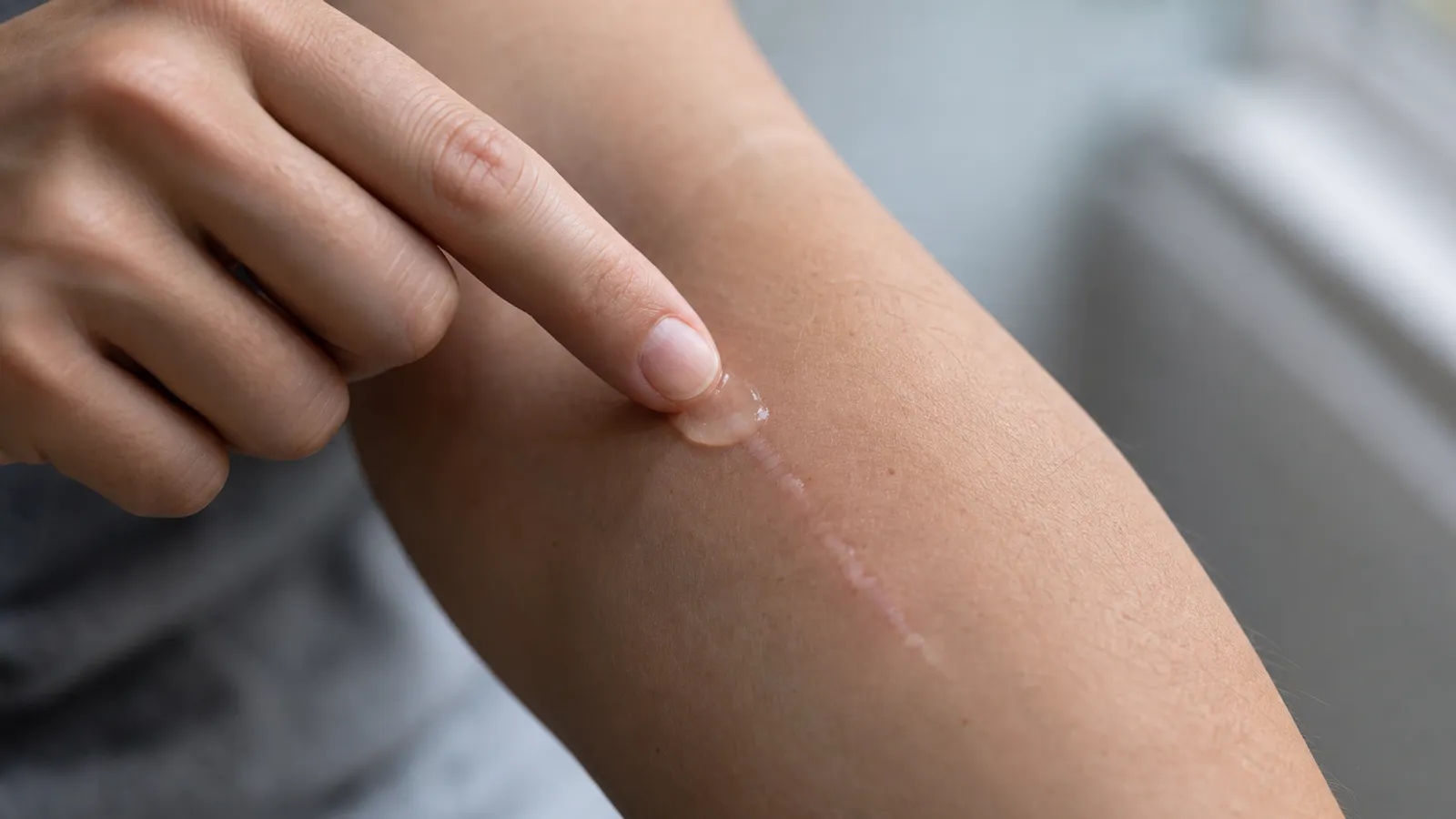
About Scar Revision
Scars cannot be erased, but the right treatment can make them dramatically less noticeable — flatter, smoother, and closer in color to the surrounding skin. Because scars differ (raised, depressed, wide, discolored), so do the fixes: options at our practice include surgical revision, laser treatments such as fractional CO2 resurfacing, microneedling, and injectable treatments, often used in combination. Dr. Blair Harris — whose surgical practice includes daily attention to how skin heals — evaluates your scar's type, age, and location before recommending an approach.
Treatment Options
There are various techniques and approaches to scar revision, and the choice of method depends on factors such as the type of scar, its location, and the individual's skin type. Before undergoing any scar revision procedure, individuals should consult Dr. Harris to assess the specific characteristics of the scar and recommend the most appropriate treatment plan based on the individual's unique circumstances.
Topical Treatments
Non-invasive treatments applied directly to the skin.
Types of Topical Treatments
Creams and Ointments
Certain creams, ointments, and silicone sheets can be applied to the scar to promote healing and reduce its visibility
Silicone Therapy
Silicone sheets and gels that help soften scar tissue and improve color and texture
Laser Therapy
Advanced laser treatments to improve scar appearance and texture.
Types of Laser Therapy
CO2 Laser Resurfacing
Laser technology used in scar revision to resurface the skin and diminish the appearance of scars by targeting pigmentation and stimulating collagen production
Vascular Laser
Laser treatment that can improve the redness of a scar by targeting blood vessels
Dermabrasion
Mechanical skin resurfacing procedure.
Types of Treatment
Mechanical Resurfacing
Procedure involving removing the top layer of skin using a rotating brush or wheel to smooth out the surface of the scar and encourage the growth of new, healthier skin
Surgical Excision
Surgical removal and reconstruction of scar tissue.
Types of Surgical Excision
Scar Tissue Removal
In some cases, especially for larger or raised scars, surgical excision may be performed, involving cutting out the old scar tissue and suturing the wound in a way that minimizes tension
Tension Reduction
Surgical techniques that reduce tension on the wound edges, reducing the likelihood of a noticeable scar
Injectable Treatments
Non-surgical injections to improve scar appearance.
Types of Injectable Treatments
Corticosteroid Injections
Certain injectable substances, such as corticosteroids, can be used to reduce inflammation and flatten raised scars
Keloid and Hypertrophic Scar Treatment
Particularly useful for keloid or hypertrophic scars to reduce inflammation and prevent further scar growth
Microneedling
Minimally invasive collagen stimulation procedure.
Types of Treatment
Collagen Induction
Procedure involving using a device with fine needles to create micro-injuries in the skin, stimulating collagen production and promoting the growth of new, healthier skin
Ready to get started?
Schedule a consultation with our board-certified dermatologist.
Pre & Post Care
Pre-Treatment
- Discuss your expectations and medical history
- Stop smoking and avoid blood thinners as advised
- Arrange transportation for the procedure
- Follow preoperative instructions for any medications
- Avoid sun exposure to the treatment area
Post-Treatment
- Protect the surgical site from sun exposure
- Follow wound care and dressing change instructions
- Use scar management products as recommended
- Avoid strenuous activities that could disrupt healing
- Keep follow-up appointments to monitor progress
- Apply sunscreen daily to protect healing skin
Expected Results
Onset
Initial improvement visible after swelling subsides (1-2 weeks)
Duration
Full results develop over 6-12 months as collagen remodeling occurs
Maintenance
Ongoing scar care including sun protection and follow-up treatments as needed
Ongoing Care
Scar remodeling is gradual: results develop over months as collagen reorganizes, and staged or repeated treatments are common. Newer scars often respond differently than mature ones, so the timing of intervention is part of the plan. Protecting healing scars from the sun meaningfully improves their final appearance.
Questions about Scar Revision?
We're happy to help you decide the best next step.
Related Services
Skin Biopsy
Learn more about this service
Learn moreSkin Cancer Removal
Learn more about this service
Learn moreMohs Surgery
Learn more about this service
Learn moreMole Removal
Learn more about this service
Learn morePsoriasis
Learn more about this service
Learn moreAtopic Dermatitis (Eczema)
Learn more about this service
Learn moreYour Physician
About Blair Harris, DO, FAAD
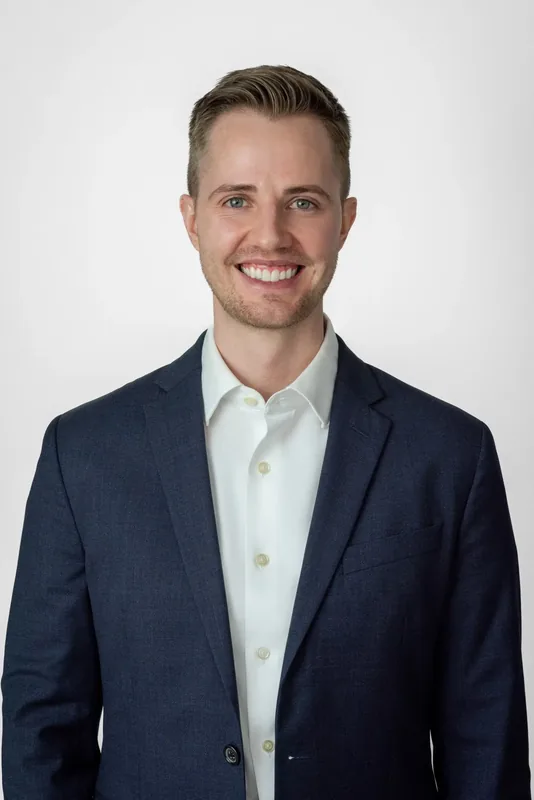
Blair Harris, DO, FAAD
Double Board-Certified Dermatologist and Mohs Surgeon
Dr. Harris brings extensive expertise in both general and surgical dermatology, providing comprehensive skin care for patients in the Leland area. With double board certification and specialized training in Mohs surgery, he delivers the highest standard of care for skin cancer treatment and complex dermatological conditions.