Acne
From teenage breakouts to stubborn adult and hormonal acne, we treat every severity of acne with prescription and in-office options at our Leland, NC practice.
About Acne
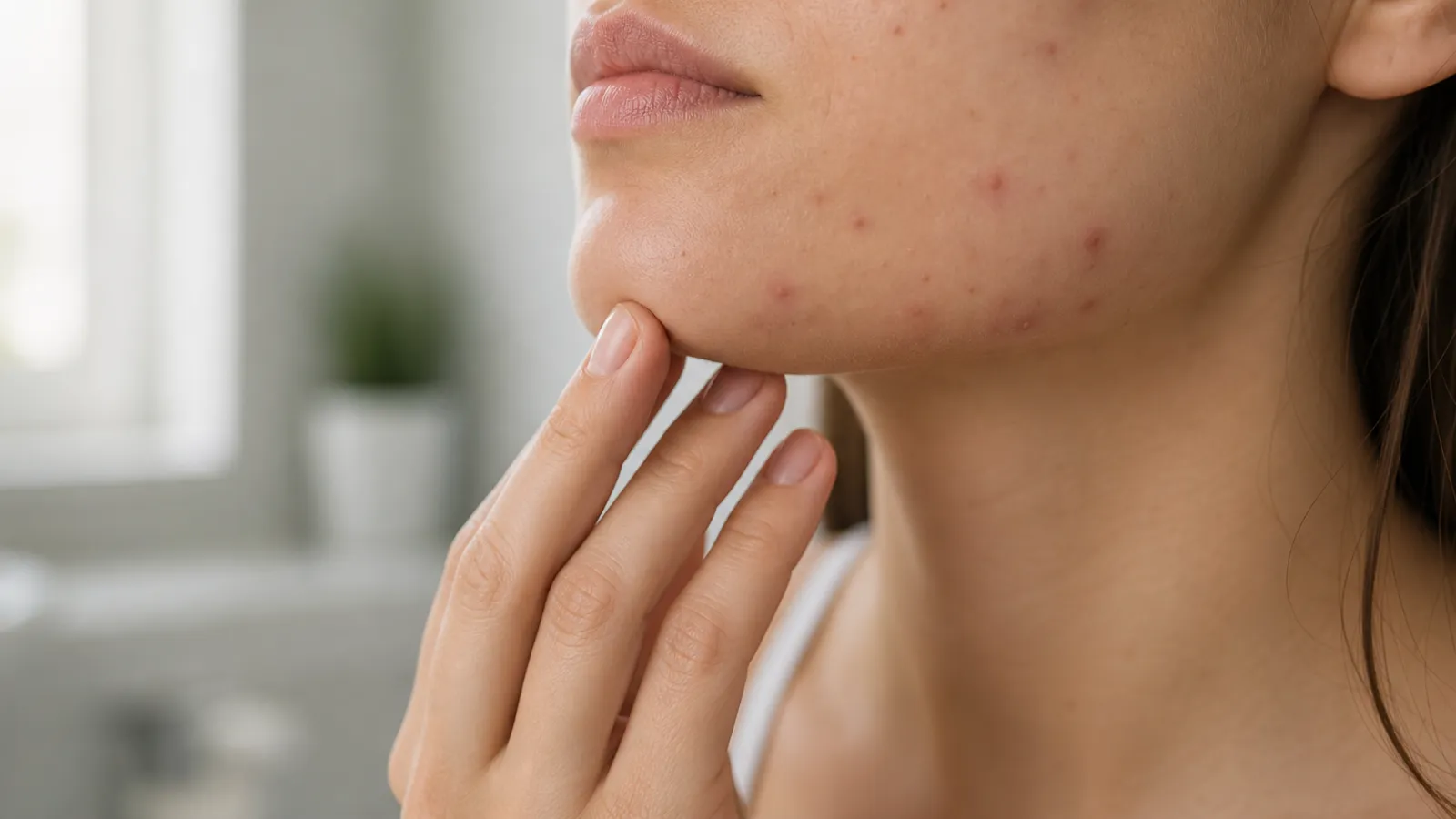
Acne is one of the most common reasons patients come to see us — and one of the most treatable, though rarely with a single product. Breakouts develop when pores clog with oil and dead skin cells and become inflamed, and the right treatment depends on which lesion types dominate, how deep they run, and what is driving them (hormones are a frequent culprit in adult acne). Dr. Blair Harris and our physician assistants build a plan around your skin and history: prescription topicals, oral antibiotics or hormonal therapy where appropriate, isotretinoin with proper monitoring for severe cases, and in-office options such as chemical peels.
What Causes Acne?
Excess oil production, clogged pores with dead skin cells, bacterial infection (Propionibacterium acnes), and hormonal changes are the primary contributors to acne development.
Types of Acne
Whiteheads
Closed plugged pores.
Blackheads
Open plugged pores where the oil turns dark upon exposure to air.
Papules
Small red, tender bumps.
Pustules
Pimples that are papules with pus at their tips.
Nodules
Large, solid, painful lumps beneath the surface of the skin.
Cystic Lesions
Painful, pus-filled lumps beneath the surface of the skin.
Treatment Options
Treatment options for acne include topical medications, systemic treatments, and procedural interventions. The choice of treatment depends on the severity of acne, type of lesions, and individual factors. Common treatment approaches include:
Topical Treatments
Applied directly to the skin to reduce inflammation and skin cell turnover.
Types of Topical Treatments
Benzoyl Peroxide
Kills bacteria and helps to unclog pores.
Retinoids (Retin-A, Tretinoin)
Promote cell turnover and prevent the formation of new comedones.
Topical Antibiotics
Kill bacteria on the skin surface.
Topical Anti-androgens
Reduce oil production and resulting acne.
Systemic Medications
Oral or injected medications that work throughout the body.
Types of Systemic Medications
Antibiotics
Taken orally, they can help reduce inflammation and bacterial growth.
Hormonal Therapy
Birth control pills or anti-androgen medications may be prescribed for females to regulate hormonal imbalances.
Isotretinoin (Accutane)
Reserved for severe cases, this oral medication reduces oil production and is highly effective but comes with potential side effects and strict monitoring.
Procedural Interventions
Procedures performed by dermatologists to treat acne.
Types of Procedural Interventions
Chemical Peels
Exfoliate the skin and help unclog pores.
Laser and Light Therapy
Target bacteria and reduce inflammation.
Extraction
Dermatologists can manually remove certain types of lesions.
Ready to get started?
Schedule a consultation with our board-certified dermatologist.
Lifestyle & Home Care
Regular Cleansing
Using a gentle cleanser to remove excess oil and debris.
Avoiding Harsh Products
Some skincare products can exacerbate acne; choosing non-comedogenic products is essential.
Lifestyle Changes
A healthy diet, regular exercise, and stress management can contribute to overall skin health.
Ongoing Care
Acne treatment rewards patience and follow-through — most regimens take six to twelve weeks to show their full effect, and we often adjust along the way. Treating active breakouts early also matters for preventing the scarring and dark marks that are much harder to correct later. We schedule follow-ups to track your progress and step therapy up if your skin needs it.
Questions about Acne?
We're happy to help you decide the best next step.
Related Services
Psoriasis
Learn more about this service
Learn moreAtopic Dermatitis (Eczema)
Learn more about this service
Learn moreBullous Diseases
Learn more about this service
Learn moreLichen Planus
Learn more about this service
Learn moreVitiligo
Learn more about this service
Learn moreRosacea
Learn more about this service
Learn moreYour Physician
About Blair Harris, DO, FAAD
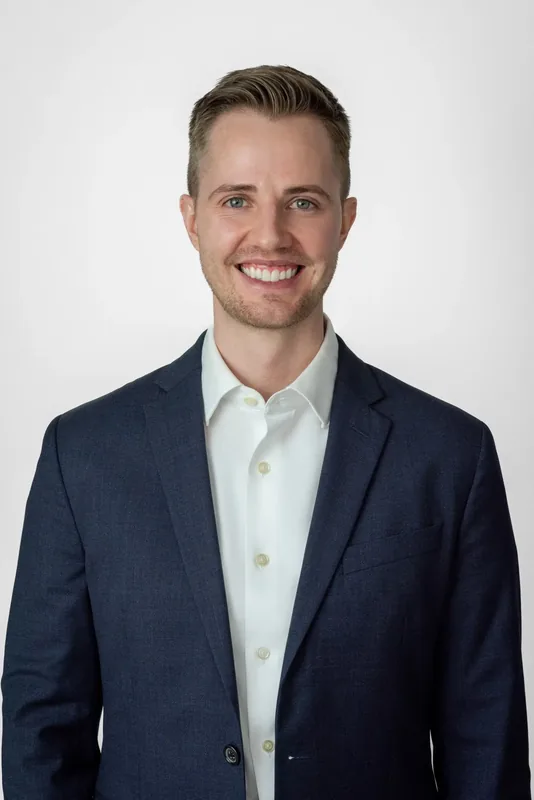
Blair Harris, DO, FAAD
Double Board-Certified Dermatologist and Mohs Surgeon
Dr. Harris brings extensive expertise in both general and surgical dermatology, providing comprehensive skin care for patients in the Leland area. With double board certification and specialized training in Mohs surgery, he delivers the highest standard of care for skin cancer treatment and complex dermatological conditions.