Growth
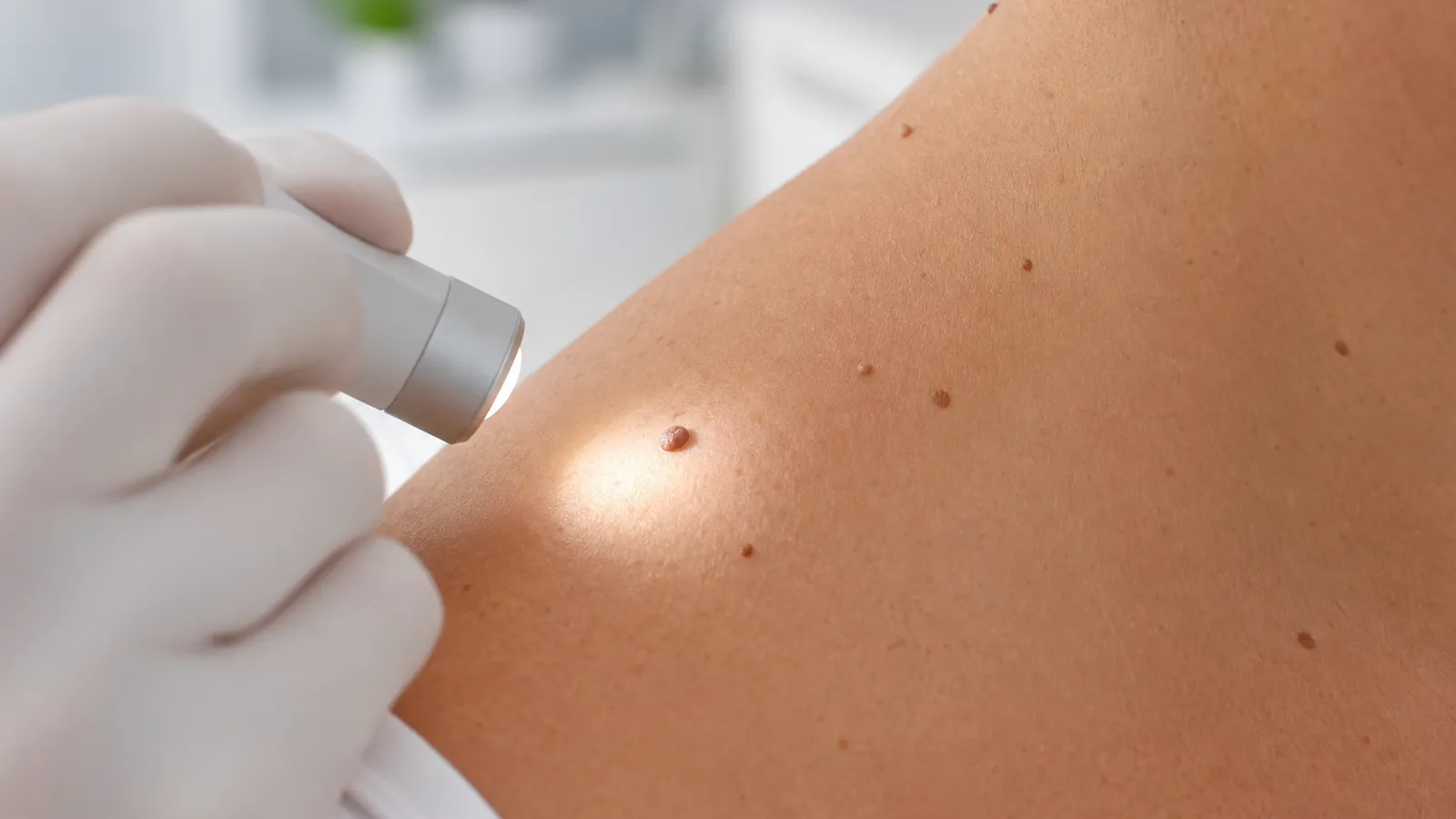
Moles, skin tags, warts, cysts, and other skin growths evaluated and removed at our Leland, NC office — with expert judgment on which growths need closer attention.
About Growth
Most skin growths — moles, skin tags, seborrheic keratoses, warts, cysts — are harmless, but some are not, and telling the difference is exactly what a dermatologist is trained to do. Dr. Blair Harris examines growths with a dermatoscope and, when there is any question, takes a biopsy for a definitive diagnosis rather than guessing. Growths that are benign but irritated, catching on clothing, or cosmetically bothersome can usually be removed in a brief office visit.
What Causes Growth?
Skin growths can be caused by a variety of factors, including viral infections like human papillomavirus (HPV) for warts, genetic predispositions for moles, friction or irritation for skin tags, and aging for seborrheic keratoses. Some growths may be associated with underlying medical conditions or skin diseases.
Types of Growth
Moles
Clusters of pigmented cells that can vary in color, size, and shape.
Warts
Caused by the human papillomavirus (HPV) and can appear as rough, raised growths on the skin.
Skin Tags
Small, soft growths that hang off the skin and are often found in areas of friction.
Seborrheic Keratoses
Noncancerous growths that appear as waxy, stuck-on lesions on the skin.
Treatment Options
Treatment options for skin growths depend on the type, size, location, and whether the growth is benign or requires further evaluation. Dr. Harris will develop a personalized treatment plan based on these factors. Common treatment approaches include:
Surgical Treatments
Procedures to remove skin growths
Types of Surgical Treatments
Surgical Excision
Surgically removing the growth and surrounding tissue for biopsy or cosmetic reasons.
Electrosurgery
Using an electric current to cut or destroy the growth.
Non-Surgical Treatments
Alternative removal methods
Types of Non-Surgical Treatments
Cryotherapy
Freezing the growth with liquid nitrogen to destroy abnormal cells.
Laser Therapy
Using laser energy to target and remove skin growths.
Topical Medications
Prescription creams or gels that can help treat certain types of growths.
Ready to get started?
Schedule a consultation with our board-certified dermatologist.
Lifestyle & Home Care
Sun Protection
Wearing sunscreen and protective clothing can help prevent the development of new skin growths.
Avoiding Irritation
Preventing friction or irritation in areas prone to skin tags can help reduce their formation.
Regular Skin Checks
Monitoring existing moles and growths for changes in size, shape, or color is essential for early detection of skin cancer.
Ongoing Care
Any growth that is new, changing, bleeding, or simply looks different from your others (the "ugly duckling") should be evaluated promptly — early evaluation is far simpler than late treatment. For patients with many moles, we recommend periodic skin exams so changes are caught against a known baseline.
Questions about Growth?
We're happy to help you decide the best next step.
Related Services
Psoriasis
Learn more about this service
Learn moreAtopic Dermatitis (Eczema)
Learn more about this service
Learn moreBullous Diseases
Learn more about this service
Learn moreLichen Planus
Learn more about this service
Learn moreVitiligo
Learn more about this service
Learn moreAcne
Learn more about this service
Learn moreYour Physician
About Blair Harris, DO, FAAD
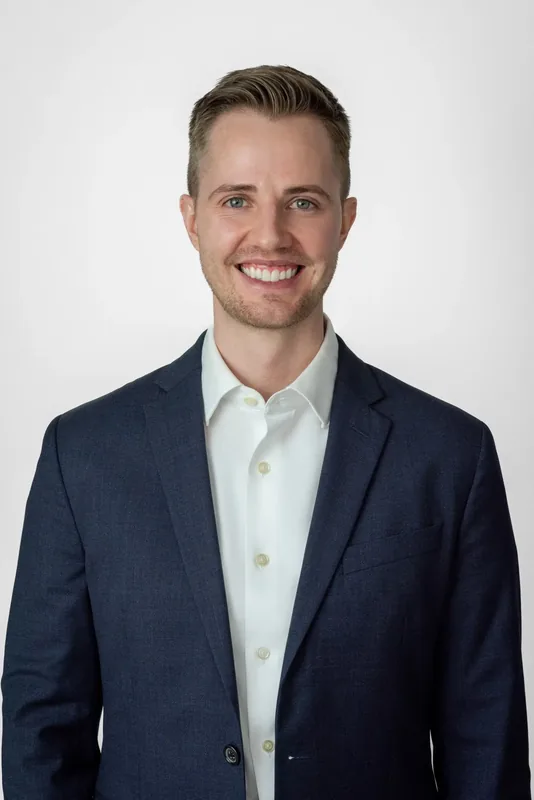
Blair Harris, DO, FAAD
Double Board-Certified Dermatologist and Mohs Surgeon
Dr. Harris brings extensive expertise in both general and surgical dermatology, providing comprehensive skin care for patients in the Leland area. With double board certification and specialized training in Mohs surgery, he delivers the highest standard of care for skin cancer treatment and complex dermatological conditions.