Hair Loss
Hair loss has many causes — and the right treatment depends on the diagnosis. We evaluate and treat alopecia for men and women at our Leland dermatology office.
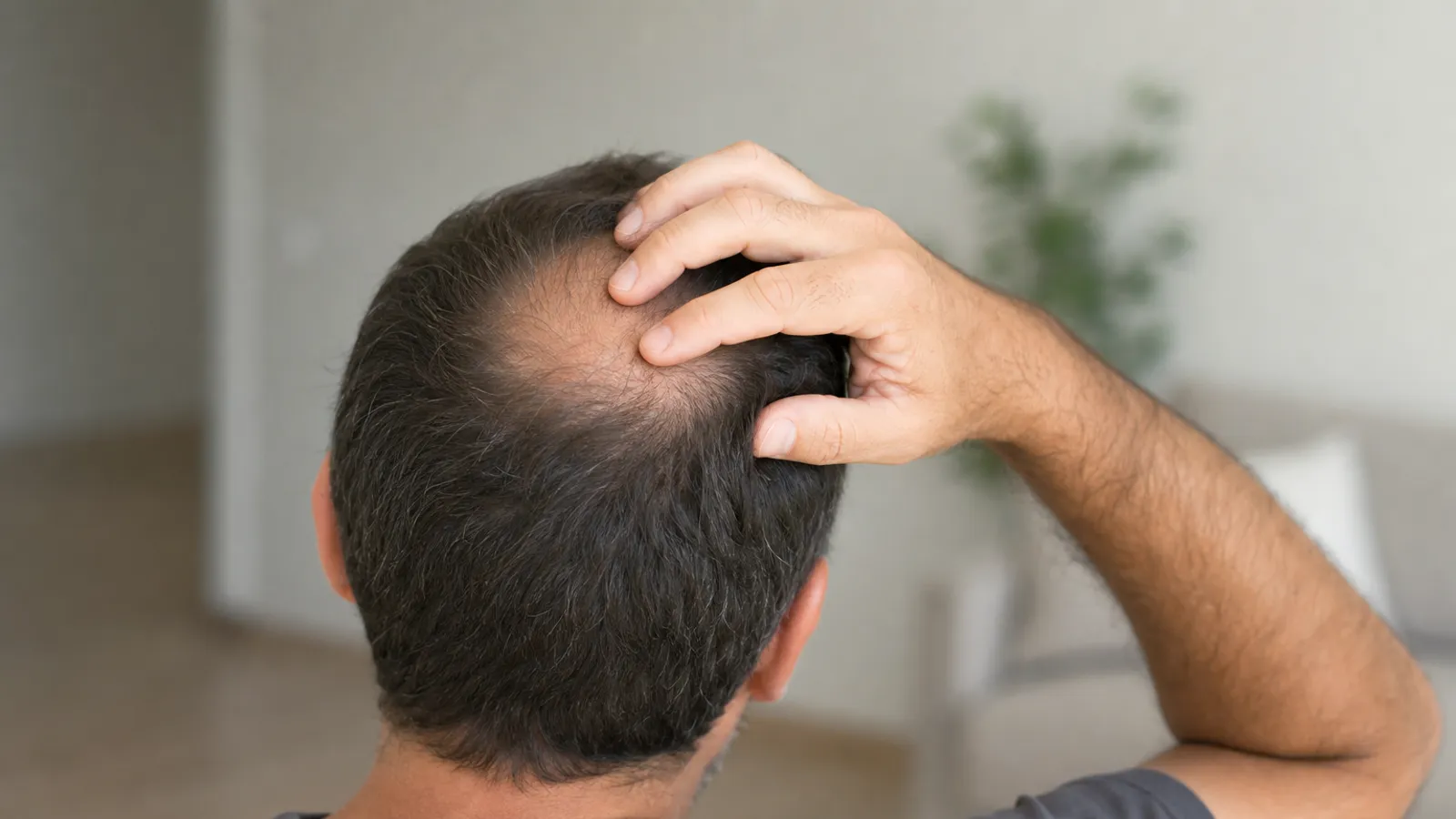
About Hair Loss
Effective hair loss treatment starts with an accurate diagnosis, because androgenetic (pattern) hair loss, shedding triggered by stress or illness, autoimmune alopecia areata, and scarring alopecias all behave — and respond — differently. Dr. Blair Harris examines the scalp and hair, reviews your health history and medications, and orders lab work when a medical cause such as thyroid disease or iron deficiency is suspected. From there, treatment is matched to the actual diagnosis rather than to a generic remedy.
What Causes Hair Loss?
Hair loss can be caused by a variety of factors, including genetics, hormonal changes, medical conditions, medications, and stress. Common types of hair loss include androgenetic alopecia.
Types of Hair Loss
Androgenetic Alopecia
The most common form of hair loss, often referred to as male-pattern or female-pattern baldness, influenced by genetics and hormones.
Alopecia Areata
An autoimmune condition that causes patchy hair loss on the scalp or body.
Telogen Effluvium
A temporary condition characterized by excessive shedding of hair due to stress, illness, or hormonal changes.
Scarring Alopecia
Hair loss caused by inflammation or scarring of the hair follicles.
Treatment Options
Treatment options for hair loss vary depending on the cause, pattern, and severity of hair loss. Dr. Harris will develop a personalized treatment plan that may include one or more of the following approaches:
Medical Treatments
Medications to promote hair growth and prevent further loss.
Types of Medical Treatments
Topical Medications
Minoxidil (Rogaine) and other medications applied directly to the scalp.
Oral Medications
Prescription medications like Finasteride (Propecia), Spironolactone, and Dutasteride.
Advanced Procedures
Non-surgical and surgical interventions for hair restoration.
Types of Advanced Procedures
Platelet-Rich Plasma (PRP) Therapy
A procedure that involves injecting the patient's own platelet-rich plasma into the scalp to stimulate hair growth.
Hair Transplantation
Surgical procedures that involve transplanting hair follicles from one part of the scalp to areas of hair loss.
Laser Therapy
Low-level laser therapy to stimulate hair follicles and promote hair growth.
Ready to get started?
Schedule a consultation with our board-certified dermatologist.
Lifestyle & Home Care
Healthy Diet
Eating a balanced diet rich in vitamins and minerals can support hair health.
Stress Management
Finding ways to manage stress can help reduce hair loss caused by stress-related factors.
Gentle Hair Care
Avoiding harsh treatments, heat styling, and tight hairstyles can help prevent further hair damage.
Ongoing Care
Timing matters in hair loss: scarring forms can permanently destroy follicles, and even common pattern loss is easier to stabilize than to reverse. Treatment response is measured in months, so we set expectations early and follow your progress with periodic visits. If you are noticing increased shedding or thinning, an earlier evaluation preserves more options.
Questions about Hair Loss?
We're happy to help you decide the best next step.
Related Services
Psoriasis
Learn more about this service
Learn moreAtopic Dermatitis (Eczema)
Learn more about this service
Learn moreBullous Diseases
Learn more about this service
Learn moreLichen Planus
Learn more about this service
Learn moreVitiligo
Learn more about this service
Learn moreAcne
Learn more about this service
Learn moreYour Physician
About Blair Harris, DO, FAAD
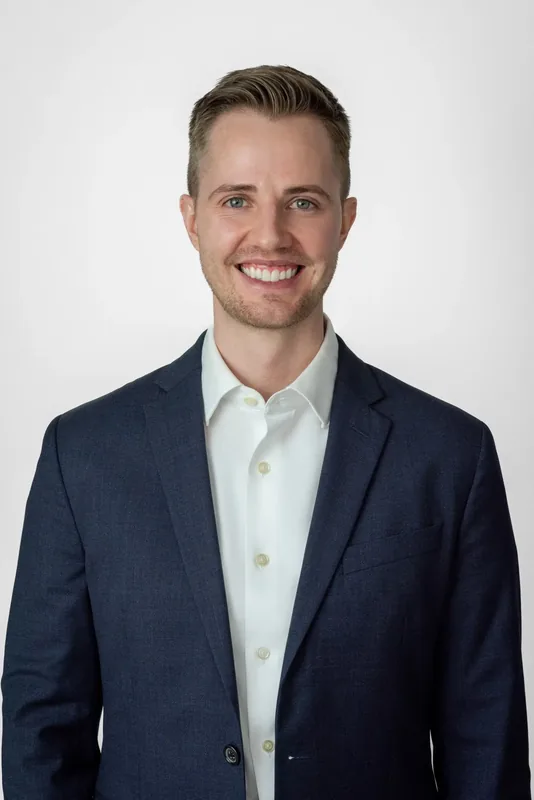
Blair Harris, DO, FAAD
Double Board-Certified Dermatologist and Mohs Surgeon
Dr. Harris brings extensive expertise in both general and surgical dermatology, providing comprehensive skin care for patients in the Leland area. With double board certification and specialized training in Mohs surgery, he delivers the highest standard of care for skin cancer treatment and complex dermatological conditions.